Table of Contents
An electric ceiling clothes hanger purchase should begin with the actual laundry routine and room constraints. A private-label buyer should build its document register before artwork is approved. This guide helps buyers, distributors and project teams evaluate the electric ceiling clothes hanger through room fit, a representative sample and written acceptance criteria. Use the current configuration and instructions for any final product decision.
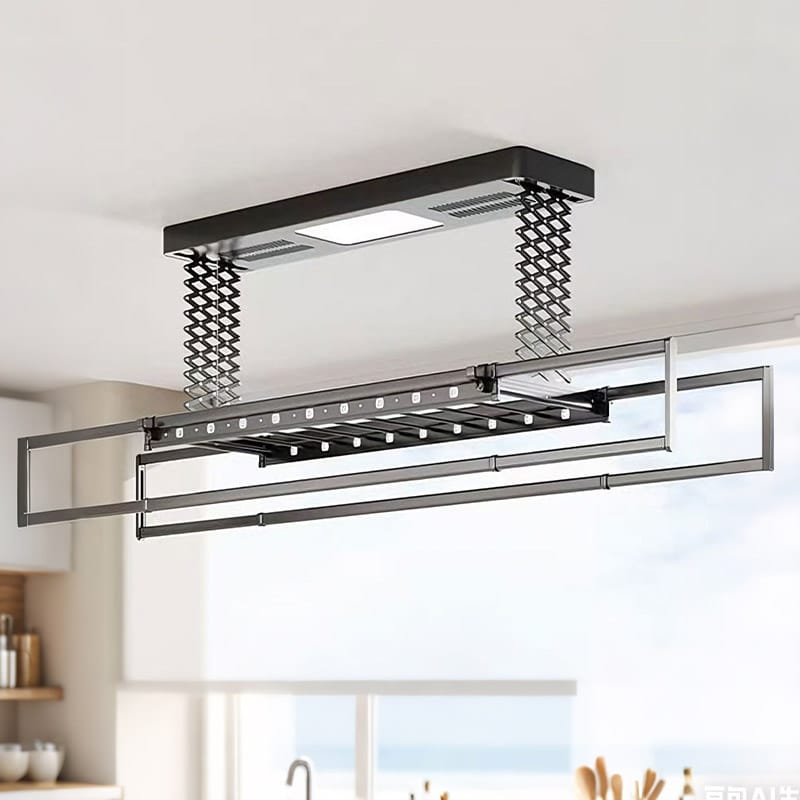
OEM Document Review in practice
A private-label buyer should build its document register before artwork is approved. Record the exact product identifier covered by each report, manual and technical drawing. Ask the supplier to clarify any mismatch between a marketing model name and a laboratory document. Route destination-specific market questions to a qualified reviewer. Logo customisation should follow a verified configuration, so the packaging does not make claims that apply only to a different electrical or control version.
The decision for this electric ceiling clothes hanger should be recorded against three specific points: document-to-model identifier match; artwork follows confirmed feature list; local review of market requirements. Keep the observation, the document reference and the person responsible for resolving any exception together. This turns a broad product enquiry into a review that another buyer or installer can follow.
Electric Ceiling Clothes Hanger: keep market documents tied to the exact version
Documentation for an electric ceiling clothes hanger must identify the product version it covers. Request relevant electrical, material and packaging documents for the destination market and check that the model identifiers match. A logo or a photograph of a report is not enough to establish the scope of the underlying evaluation. Route market-access questions through a qualified local specialist.
When sourcing an electric ceiling clothes hanger, keep a register of document names, dates, model coverage and the person who reviewed them. If a motor, power supply or radio module changes, ask which evaluations need review. This article offers a purchasing process rather than a declaration that any particular unit is approved for every market. Claims in sales material should follow the actual supplied evidence.
Turn a quotation into a controlled configuration
Order an electric ceiling clothes hanger against a configuration sheet with a model code, drawing revision and approved component list. Separate standard equipment from options such as lighting, airflow, a particular controller or a finish. Ask the supplier to mark substitutions explicitly. Similar product names are insufficient when receivers, mounting hardware or rail dimensions can vary.
For an electric ceiling clothes hanger, attach the approved sample photographs and label details to the purchase record. State which changes require written approval before production. A commercial quote should identify packaging, included accessories and the version of the installation manual. This makes later inspection a comparison with an agreed product rather than a debate about what a marketing photograph appeared to include.
Leave space for air between garments
Useful capacity on an electric ceiling clothes hanger is affected by the way garments are arranged. Layers pressed together create damp contact areas and make checking completion difficult. Spread items so air can reach both sides, and separate thick folded sections from adjacent laundry where the fabric-care instructions allow it.
During the electric ceiling clothes hanger sample trial, record the number and type of garments that fit with usable spacing. This gives a retailer a more helpful demonstration than filling every possible hanger position. If drying performance is disappointing, review spacing and room conditions before concluding that a longer rail or more hangers will solve the problem.
Distinguish indoor shelter from outdoor exposure
Specify the environment for the electric ceiling clothes hanger: enclosed utility room, covered balcony or open exterior. These conditions differ in rain, wind, sunlight and temperature. Ask the supplier which are supported and what evidence or instructions define the limit. An installation photograph under a roof does not establish all-weather suitability.
For the electric ceiling clothes hanger, record any exposure restrictions in the product listing and installer brief. If wind can move garments or rain can reach electrical parts, reassess the location with the supplier and installer. Do not borrow an outdoor claim from a superficially similar model. Matching the product to the intended environment is part of selection, not an afterthought after installation.
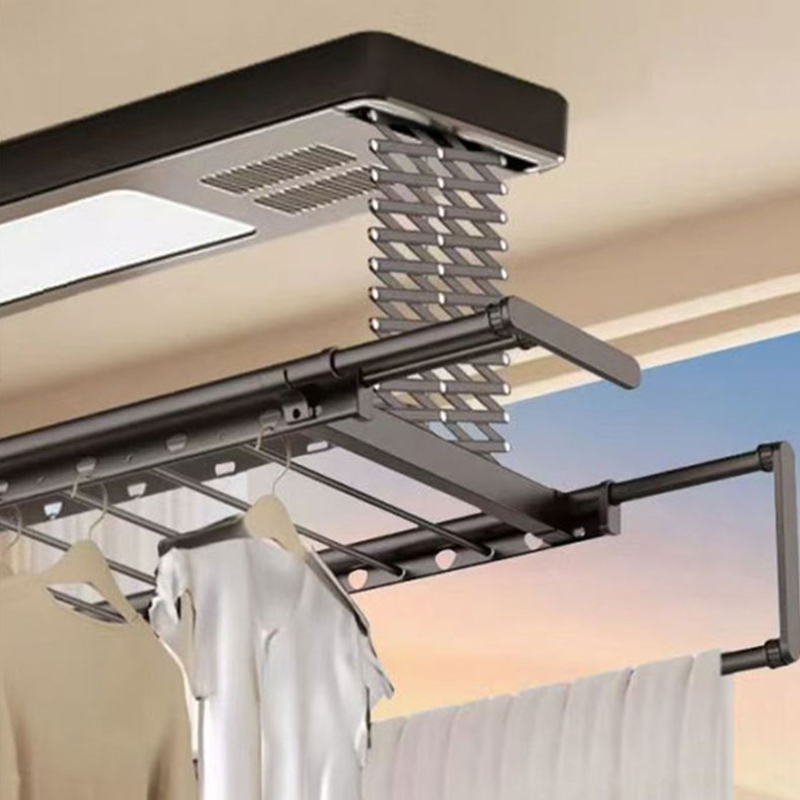
Commission the installation before handover
Commission an electric ceiling clothes hanger with the installer after all fittings and nearby furniture are in place. Confirm that the rails move freely, the structure stays stable and controls perform the intended functions. Start with the manufacturer's prescribed checks and proceed only within its stated operating limits.
The commissioning record for an electric ceiling clothes hanger should include the product identification, location, installation photographs and any agreed adjustment. Show the customer the normal loading sequence and stopping procedure. Resolve scraping, tilt or interference before handover. An installer leaving a functioning light is not equivalent to demonstrating a complete, usable laundry system.
Confirm what the ceiling can support
An electric ceiling clothes hanger needs fixing into a suitable supporting structure using an appropriate method. Decorative panels and a suspended ceiling should not be assumed to carry the rack and its wet load. Ask a qualified installer to identify the substrate, services above the surface and any additional support required.
The mounting plan for an electric ceiling clothes hanger should name the fixing method and show how loads reach the building structure. Follow the product instructions and the installer's assessment for the actual substrate. Do not choose anchor sizes from a general blog or transfer a fixing schedule from another building. Photograph the approved support arrangement before it becomes hidden by a cover or finish.
Confirm the included installation and assembly hardware
The electric ceiling clothes hanger packing list should identify the supplied brackets, caps, fasteners and tools, where applicable. Ask which parts suit only a particular substrate or assembly configuration and which the installer must source locally. A generic bag of screws is not evidence that every installation surface is supported.
Check the electric ceiling clothes hanger sample against the list before installation. Photograph and label small parts so missing components can be reported accurately. Keep the approved list attached to the order revision. If the supplier changes a bracket or fixing package, review the instructions and downstream listing instead of treating the change as an invisible packing detail.
Ask for care instructions that match the finish
The cleaning routine for the electric ceiling clothes hanger should match its coating, plastics and mechanism. Request the current care sheet and identify products or methods the supplier excludes. Avoid assuming that a cleaner suitable for a plain steel rail is also suitable for a painted casing or a controller.
For the electric ceiling clothes hanger, demonstrate wiping and drying accessible surfaces according to the manual and explain which areas users should leave to service staff. Keep moisture away from components that require protection. Clear care guidance preserves appearance and makes a later service assessment easier because damage from an unsuitable cleaning method can otherwise resemble a product defect.
Decision checklist and comparison
Use the following comparison for the electric ceiling clothes hanger evaluation. The alternatives describe evidence quality, not a claim that one brand always performs better. Resolve missing information before accepting an equivalent product or releasing the batch.
| Approach | When it may fit | Confirm before choosing |
|---|---|---|
| Standard configuration | A pilot using the established supplier specification | Included components, current documents and packing scope |
| Selected options | A channel with a defined finish or control requirement | Written option list and a matching approved sample |
| Private-label order | A buyer prepared to manage artwork and revision control | Model-specific documents, approval responsibilities and support terms |
Product configuration to discuss
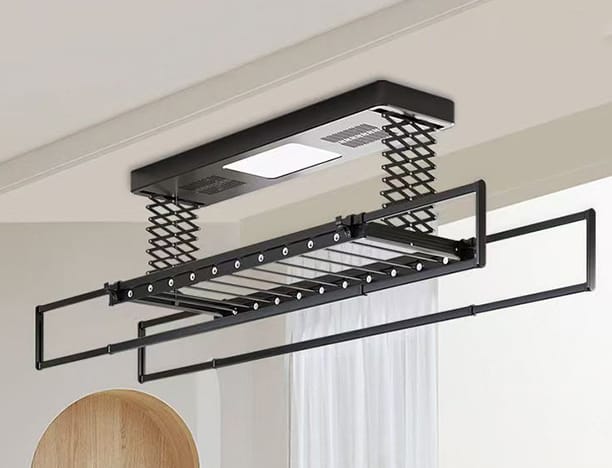
For a relevant starting point, review YIHUI Electric Cloth Hanger 8818 with YIHUI. Treat the listed product as a candidate for the electric ceiling clothes hanger brief and confirm the current drawing, included controls, finish and installation or assembly requirements. Product-family photographs do not establish that every option is supplied together.
Compare the relevant YIHUI product category and ask about configuration and supply services. Keep requested features separate from those already confirmed for the selected model.
Independent reading
For independent background, read Wikipedia overview of drying-rack designs. Use this background to understand the names used for different rack arrangements. Confirm specifications from the supplier rather than treating a general overview as a model test.
Request a configuration review
Send YIHUI your electric ceiling clothes hanger brief with the intended market, room or storage dimensions, routine laundry type and planned order quantity. Include document-to-model identifier match as a specific review item. Ask for a configuration proposal and sample plan before committing to a bulk order. Use the enquiry form below or the contact page to start the discussion.
Frequently asked questions
What should I check first for an electric ceiling clothes hanger?
Begin with document-to-model identifier match. Match it to the actual room or sales brief, then confirm the current configuration and instructions. A sample should demonstrate the feature that determines your purchase decision.
Which documents should accompany an electric ceiling clothes hanger quote?
Request a current drawing, feature list, packing list and installation or assembly instructions. For this brief, also document artwork follows confirmed feature list. Ask the supplier to identify options and any unresolved differences.
How should I evaluate an electric ceiling clothes hanger sample?
Use the intended garments, hangers and room or display conditions. Record the setup and observations so another person can repeat the review. Include local review of market requirements in the acceptance record.
Can a similar-looking electric ceiling clothes hanger be substituted?
Review the supplied revision, dimensions, components and instructions before approving a substitute. Similar appearance does not establish compatible controls, an equivalent mechanism or the same permitted loading conditions.
What information helps YIHUI review my electric ceiling clothes hanger enquiry?
Supply the destination market, quantity, intended use, useful dimensions and required functions. State that the main topic is oem document review and include photographs or a sketch where these clarify the practical constraint.