Table of Contents
An automated clothes rack purchase should begin with the actual laundry routine and room constraints. A balcony used for storage can gradually lose the clearance established at installation. This guide helps buyers, distributors and project teams evaluate the automated clothes rack through room fit, a representative sample and written acceptance criteria. Use the current configuration and instructions for any final product decision.
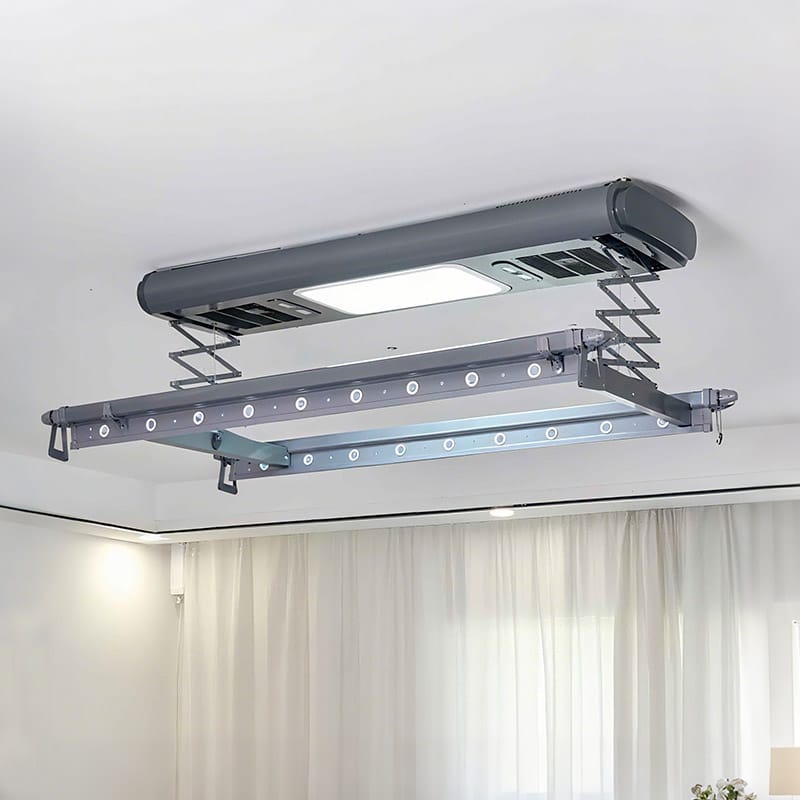
Planning a Clear Travel Area in practice
A balcony used for storage can gradually lose the clearance established at installation. Draw a keep-clear area based on the rail path and hanging garments, then position storage outside it. Review the arrangement with the household and show how boxes or a tall plant could interfere with lowering. Evaluate the current protection features using the supplier's approved method, while keeping a clear path as the normal operating rule.
The decision for this automated clothes rack should be recorded against three specific points: full rail and garment travel area; storage outside moving envelope; approved protection demonstration. Keep the observation, the document reference and the person responsible for resolving any exception together. This turns a broad product enquiry into a review that another buyer or installer can follow.
Automated Clothes Rack: keep the moving laundry in view
Plan the operating position of an automated clothes rack so the user can see the rails and the space below them. A remote may allow a command from another room, but that does not make unseen movement desirable. Position furniture, storage and laundry baskets outside the travel envelope and give users a simple habit of checking the area before motion.
For an automated clothes rack, obstacle response should be confirmed by the current manual and a controlled demonstration using the supplier's approved test method. Never use a hand, child or pet as a test object. Record the response and the recovery steps. Protection features support a clear operating procedure; they do not justify leaving objects in the path or assuming every configuration reacts in the same way.
Include long garments in the room trial
Trial an automated clothes rack with the longest garment that will regularly hang there. A compact mechanism can still need considerable clear space below its rails once a coat or dress is added. Measure from the finished floor and check the full motion path. A rail that clears a cabinet when empty may pull fabric across it when loaded.
The room trial for an automated clothes rack should also include a door opening, a person walking past and access to nearby appliances. Mark conflicts on the room sketch rather than solving them with a verbal promise to keep the door closed. Where laundry and circulation compete for the same space, change the location, garment arrangement or product choice before approving installation.
Read material descriptions component by component
A material label for the automated clothes rack may describe only the main rail or casing. Ask for the materials of fasteners, supports, arms and moving components relevant to your use. Different parts can have different coatings and exposure limitations. Do not translate a broad phrase such as premium metal into a specific alloy or test result.
For the automated clothes rack, connect material information to the practical concern: weight, stiffness, surface durability, cleaning or corrosion exposure. Request evidence where a claim matters to your market. A clear component description helps buyers compare two offers with similar appearances and prevents a distributor from promising properties the supplier has not documented.
Evaluate the complete laundry workflow
Test the automated clothes rack from the moment a washed load leaves the machine to the point at which dry garments are collected and stored. Include carrying the basket, sorting fabrics, arranging hangers and clearing the space. A short demonstration of the empty mechanism covers only a small part of this routine.
Have the intended user or a representative staff member trial the automated clothes rack without staged assistance. Record awkward reaches, blocked doors and extra handling. Small layout changes can matter more than adding another optional function. Use the observations to choose between configurations and to write instructions that reflect how the product will actually be used.

Choose useful capacity before adding dimensions
The capacity of an automated clothes rack depends on wet load, rail spacing and the garment mix as well as overall width. An extended rail can offer more hanging positions, but the structure and mechanism still have a stated limit. Confirm any conditions that apply when a telescopic section is fully extended.
Plan an automated clothes rack around the household's routine load. Leave enough room for air to move and for garments to hang without touching obstacles. Do not treat every hole as a usable simultaneous drying position for every garment. If the weekly load varies, compare a fixed core arrangement with an optional secondary drying area rather than oversizing the main installation without checking clearance.
Use a mock-up to check compact rooms
An automated clothes rack for a compact room deserves a full-size layout check. Mark its rail footprint and travel path with non-damaging temporary guides, then simulate loading with the intended garments. This reveals whether the apparent free space remains usable when the rack is down and a person stands beside it.
Trial the automated clothes rack with the room in its normal state, including the laundry basket, appliance doors and stored items. Ask the intended user to complete the sequence from washing to hanging to collecting. Record conflicts rather than relying on a tidy empty-room photograph. The best result is a practical routine that fits the actual room, even if that requires choosing a smaller or differently arranged rack.
Keep marketing claims within the available evidence
Describe the automated clothes rack with confirmed features and clear limitations. Avoid universal claims about drying time, energy savings, health effects or suitability for all users. If a performance figure is important, request the test method, conditions and model coverage before putting it into a public listing.
An automated clothes rack can be marketed effectively through useful dimensions, a clear demonstration and an honest explanation of the routine it supports. Those details help buyers decide whether it fits their room and garments. Ask the supplier to clarify inconsistent catalogue information rather than copying it into another article where the uncertainty becomes harder to trace.
Train staff with a realistic demonstration
Train the team to explain the automated clothes rack through a normal laundry routine and the current instructions. Demonstrate its deployed or lowered state, garment arrangement and storage or parking position. Include the limitations that change a buyer's decision, such as mounting requirements, exposure restrictions or a separate surface for flat-dry garments.
A staff member should be able to show the automated clothes rack without inventing an answer about an undocumented feature. Give them a clear route for technical questions and a current configuration sheet. Consistent demonstrations improve the quality of enquiries and help customers compare designs using the same practical criteria.
Decision checklist and comparison
Use the following comparison for the automated clothes rack evaluation. The alternatives describe evidence quality, not a claim that one brand always performs better. Resolve missing information before accepting an equivalent product or releasing the batch.
| Approach | When it may fit | Confirm before choosing |
|---|---|---|
| Fixed-height rails | A room where the loading position is already comfortable | Reach, longest garment drop and clear floor space |
| Manual lifting | A user who can comfortably operate the approved mechanism | Crank position, effort and controlled lowering |
| Motorized lifting | A project that benefits from powered height adjustment | Travel range, visible operation and stopping procedure |
Product configuration to discuss
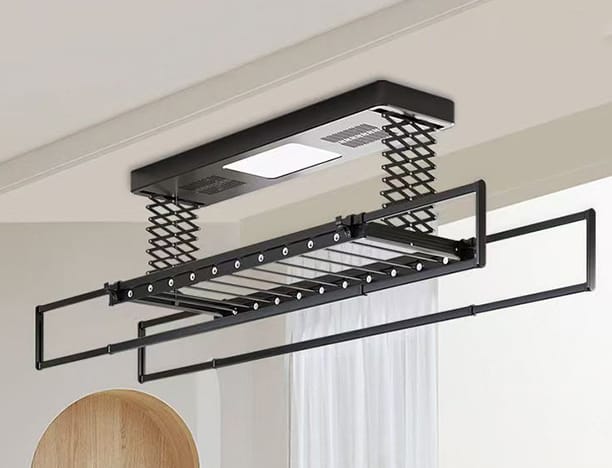
For a relevant starting point, review YIHUI Automated Laundry Rack 822 with YIHUI. Treat the listed product as a candidate for the automated clothes rack brief and confirm the current drawing, included controls, finish and installation or assembly requirements. Product-family photographs do not establish that every option is supplied together.
Compare the relevant YIHUI product category and ask about configuration and supply services. Keep requested features separate from those already confirmed for the selected model.
Independent reading
For independent background, read Wikipedia overview of garment care symbols. Use this background when explaining garment-care decisions. Product instructions and the label on each garment serve different purposes.
Request a configuration review
Send YIHUI your automated clothes rack brief with the intended market, room or storage dimensions, routine laundry type and planned order quantity. Include full rail and garment travel area as a specific review item. Ask for a configuration proposal and sample plan before committing to a bulk order. Use the enquiry form below or the contact page to start the discussion.
Frequently asked questions
What should I check first for an automated clothes rack?
Begin with full rail and garment travel area. Match it to the actual room or sales brief, then confirm the current configuration and instructions. A sample should demonstrate the feature that determines your purchase decision.
Which documents should accompany an automated clothes rack quote?
Request a current drawing, feature list, packing list and installation or assembly instructions. For this brief, also document storage outside moving envelope. Ask the supplier to identify options and any unresolved differences.
How should I evaluate an automated clothes rack sample?
Use the intended garments, hangers and room or display conditions. Record the setup and observations so another person can repeat the review. Include approved protection demonstration in the acceptance record.
Can a similar-looking automated clothes rack be substituted?
Review the supplied revision, dimensions, components and instructions before approving a substitute. Similar appearance does not establish compatible controls, an equivalent mechanism or the same permitted loading conditions.
What information helps YIHUI review my automated clothes rack enquiry?
Supply the destination market, quantity, intended use, useful dimensions and required functions. State that the main topic is planning a clear travel area and include photographs or a sketch where these clarify the practical constraint.