Table of Contents
An electric clothes rack purchase should begin with the actual laundry routine and room constraints. When a customer notices noise after fitting, begin by identifying the operating state. This guide helps buyers, distributors and project teams evaluate the electric clothes rack through room fit, a representative sample and written acceptance criteria. Use the current configuration and instructions for any final product decision.
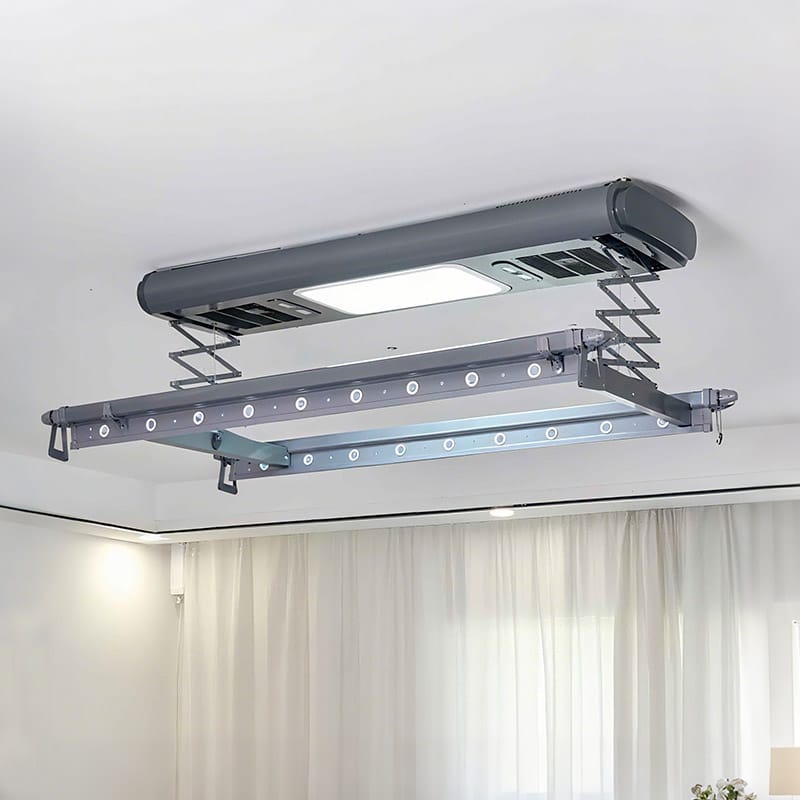
Noise Checks After Installation in practice
When a customer notices noise after fitting, begin by identifying the operating state. Record whether it occurs during lifting, lowering or an optional fan function. Ask the installer to check approved fixings, clearance and contact with nearby surfaces. Keep a normal-operation recording from commissioning for comparison. A support team can then distinguish a loose hanger or room resonance from a new mechanical symptom that needs service assessment.
The decision for this electric clothes rack should be recorded against three specific points: operating state and background recorded; installed fixings and clearances reviewed; new sound compared with baseline. Keep the observation, the document reference and the person responsible for resolving any exception together. This turns a broad product enquiry into a review that another buyer or installer can follow.
Electric Clothes Rack: treat noise as a repeatable observation
Noise from an electric clothes rack can come from the drive, the rails, loose hangers or the surrounding structure. Evaluate it after correct installation and distinguish lifting noise from any fan operation. A loose fixing or contact with a cabinet can make an otherwise acceptable sample sound quite different.
If noise matters in the sales brief for an electric clothes rack, agree a measurement method, distance, room condition and background level. Keep a recording for diagnosis, but do not convert a phone app reading into a laboratory specification. Compare like operating states and ask the supplier about any change from the normal sound. A new click, scrape or vibration is a service signal even when no numerical noise limit has been agreed.
Distinguish lifting from active drying
An electric clothes rack may use power to move its rails while laundry still dries mainly through room air. Lighting, a fan and heating are separate functions, each with its own power and operating conditions. Ask for a function list and the rating of each fitted component. Do not assume a motorized rack behaves like a tumble dryer.
Evaluate the electric clothes rack against the outcome you need: easier loading, free floor space, supplementary airflow or a measured drying routine. If faster drying is the main purchasing reason, compare samples with equivalent garments and starting moisture under recorded room conditions. An unqualified speed claim cannot show whether the improvement came from the rack, the washing machine spin or a change in ventilation.
Leave space for air between garments
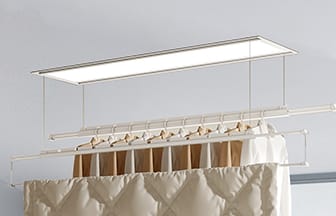
Useful capacity on an electric clothes rack is affected by the way garments are arranged. Layers pressed together create damp contact areas and make checking completion difficult. Spread items so air can reach both sides, and separate thick folded sections from adjacent laundry where the fabric-care instructions allow it.
During the electric clothes rack sample trial, record the number and type of garments that fit with usable spacing. This gives a retailer a more helpful demonstration than filling every possible hanger position. If drying performance is disappointing, review spacing and room conditions before concluding that a longer rail or more hangers will solve the problem.
Write acceptance criteria before receiving the batch
Agree how the electric clothes rack will be inspected before the bulk shipment arrives. Define the reference sample, the functions to demonstrate, the documents to check and the method for reporting defects. Use an agreed sampling plan appropriate to the commercial arrangement rather than assuming a single opened carton represents the whole shipment.
The electric clothes rack inspection report should connect each result to a unit or carton identifier. Include photographs, observed conditions and the disposition of failed items. Resolve discrepancies with the supplier before release to customers. A clear acceptance plan turns inspection into a repeatable purchasing control rather than an improvised search for obvious damage.

Write a handover that people can repeat
Hand over an electric clothes rack with a short sequence: inspect the path, lower to the agreed position, load evenly, operate within the stated limit and return the controller to its holder. Show how to stop movement and whom to contact if the rails tilt, a cable frays or the drive behaves differently. Make the sequence available in the user's language.
An electric clothes rack demonstration should end with the customer repeating the normal procedure. Ask them to explain the load limit and identify the model label. This confirms that the instructions are understandable and gives the service team the information needed for later support. Avoid describing motorized operation as universally accessible; suitability depends on the individual's reach, grip, vision and room layout.
Keep the moving laundry in view
Plan the operating position of an electric clothes rack so the user can see the rails and the space below them. A remote may allow a command from another room, but that does not make unseen movement desirable. Position furniture, storage and laundry baskets outside the travel envelope and give users a simple habit of checking the area before motion.
For an electric clothes rack, obstacle response should be confirmed by the current manual and a controlled demonstration using the supplier's approved test method. Never use a hand, child or pet as a test object. Record the response and the recovery steps. Protection features support a clear operating procedure; they do not justify leaving objects in the path or assuming every configuration reacts in the same way.
Build a cost comparison from your own assumptions
Compare the electric clothes rack using a short cost sheet: purchase price, inbound freight, installation or assembly, expected support activity and planned spare stock. Add only assumptions your business can explain. Use the same order quantity and delivered scope for each offer, and identify excluded taxes or charges where relevant.
The electric clothes rack comparison should show which inputs are confirmed and which remain estimates. Avoid invented return rates or payback periods. If one option costs more because it includes a controller or better packaging, show that scope difference directly. A transparent range is more useful than a precise total built from unsupported assumptions.
Close the evaluation with a decision record
Approve the electric clothes rack only after the team has resolved the questions that affect its use: fit, loading, operation, documentation, supplied parts and support. Summarize the selected configuration, accepted limitations and remaining commercial conditions in a short decision record. Attach the photographs and drawings used in the evaluation.
The record for the electric clothes rack should explain the practical reason for choosing it. It may be the loading height, a suitable base, a manageable manual mechanism or a clear service route. Keeping that reason visible helps future orders stay consistent and prevents an apparently similar substitute from being accepted without checking the conditions that mattered originally.
Decision checklist and comparison
Use the following comparison for the electric clothes rack evaluation. The alternatives describe evidence quality, not a claim that one brand always performs better. Resolve missing information before accepting an equivalent product or releasing the batch.
| Approach | When it may fit | Confirm before choosing |
|---|---|---|
| Lift-only configuration | Easier loading and overhead use are the main goals | Lift rating and room fit; drying still depends on the environment |
| Airflow option, if supplied | Supplementary air movement is part of the brief | Fitted fan, operating states and comparable sample observations |
| Heating option, if supplied | The buyer has a defined active-drying requirement | Confirmed heating function, garment suitability and measured energy |
Product configuration to discuss
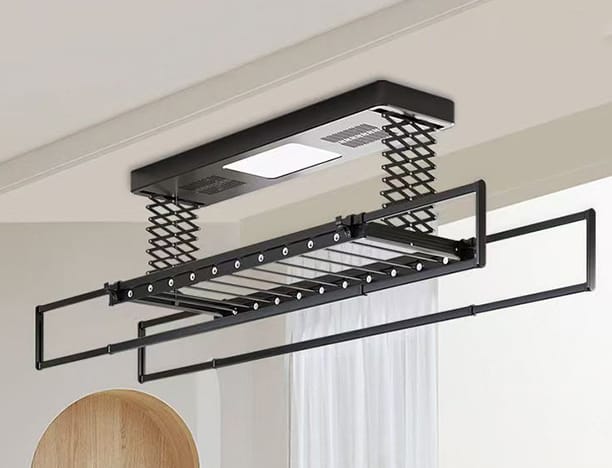
For a relevant starting point, review YIHUI Automated Laundry Rack 822 with YIHUI. Treat the listed product as a candidate for the electric clothes rack brief and confirm the current drawing, included controls, finish and installation or assembly requirements. Product-family photographs do not establish that every option is supplied together.
Compare the relevant YIHUI product category and ask about configuration and supply services. Keep requested features separate from those already confirmed for the selected model.
Independent reading
For independent background, read EPA guidance on moisture control. Use this background when reviewing the room environment. It does not certify a particular rack or replace a project-specific ventilation assessment.
Request a configuration review
Send YIHUI your electric clothes rack brief with the intended market, room or storage dimensions, routine laundry type and planned order quantity. Include operating state and background recorded as a specific review item. Ask for a configuration proposal and sample plan before committing to a bulk order. Use the enquiry form below or the contact page to start the discussion.
Frequently asked questions
What should I check first for an electric clothes rack?
Begin with operating state and background recorded. Match it to the actual room or sales brief, then confirm the current configuration and instructions. A sample should demonstrate the feature that determines your purchase decision.
Which documents should accompany an electric clothes rack quote?
Request a current drawing, feature list, packing list and installation or assembly instructions. For this brief, also document installed fixings and clearances reviewed. Ask the supplier to identify options and any unresolved differences.
How should I evaluate an electric clothes rack sample?
Use the intended garments, hangers and room or display conditions. Record the setup and observations so another person can repeat the review. Include new sound compared with baseline in the acceptance record.
Can a similar-looking electric clothes rack be substituted?
Review the supplied revision, dimensions, components and instructions before approving a substitute. Similar appearance does not establish compatible controls, an equivalent mechanism or the same permitted loading conditions.
What information helps YIHUI review my electric clothes rack enquiry?
Supply the destination market, quantity, intended use, useful dimensions and required functions. State that the main topic is noise checks after installation and include photographs or a sketch where these clarify the practical constraint.