Table of Contents
Introduction
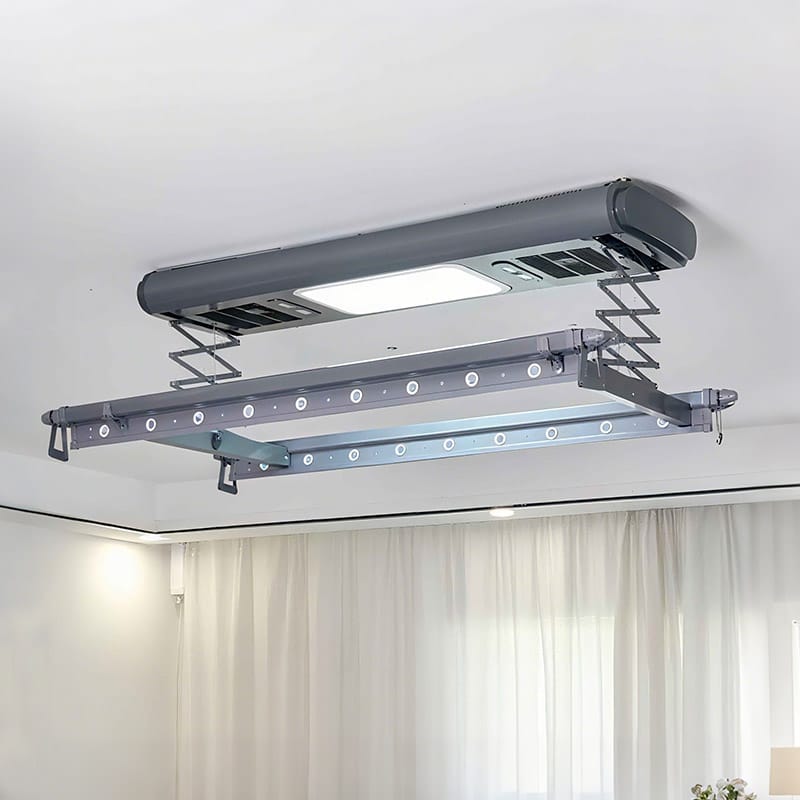
Laundry habits are changing as modern living spaces become more flexible, compact, and efficiency-focused. Traditional outdoor drying is not always practical due to limited space, weather conditions, or building layouts. As a result, more households and commercial environments are looking for reliable indoor solutions that make everyday laundry management easier.
Among these solutions, indoor drying racks for laundry have become an increasingly practical choice. They provide dedicated drying space while helping users organize clothes, improve space utilization, and reduce dependence on energy-consuming drying equipment.
Unlike temporary drying methods such as hanging clothes on furniture or using unstable portable supports, professionally designed indoor drying racks offer better stability, durability, and convenience. They are suitable for apartments, houses, hotels, shared laundry rooms, and other indoor environments where efficient clothes drying is needed.
This guide explains how indoor drying racks work, their advantages, different designs, selection factors, and future trends to help you understand why they have become an important part of modern laundry spaces.
Understanding the Role of Indoor Drying Racks for Laundry
Indoor drying racks for laundry are specially designed structures that allow clothes to air dry inside a living or working space. They provide organized hanging areas where garments can receive proper airflow, helping moisture evaporate naturally.
Compared with simply placing wet clothes over chairs, doors, or other household items, dedicated drying racks create a more controlled drying environment. Their design considers important factors such as weight distribution, ventilation, installation stability, and user convenience.
Many modern drying racks combine practical engineering with space-saving concepts. Foldable structures, adjustable frames, and wall-mounted systems allow users to maximize available areas without permanently occupying valuable floor space.
The growing popularity of these products reflects a wider trend toward smarter home organization. According to household efficiency studies published by organizations focused on sustainable living practices, reducing unnecessary energy consumption and improving home functionality are important considerations for modern consumers. Air drying clothes with well-designed equipment can support these goals by reducing reliance on powered drying appliances.
For manufacturers and suppliers, developing durable and adaptable indoor drying solutions requires attention to material selection, user experience, and different application environments.
Key Benefits of Using Indoor Drying Racks for Laundry
Choosing suitable indoor drying racks provides several advantages beyond simply hanging clothes.
| Benefit | Description |
|---|---|
| Space optimization | Helps create drying areas without requiring large floor space |
| Energy efficiency | Allows natural drying without continuous electrical consumption |
| Clothing protection | Reduces exposure to excessive heat that may affect fabrics |
| Flexible installation | Available in different designs for various room layouts |
| Better organization | Keeps laundry areas cleaner and more structured |
Better Space Utilization for Compact Living Areas
Space efficiency is one of the main reasons indoor drying racks have gained attention. Many modern homes prioritize multifunctional areas where every square meter needs to serve a purpose.
Wall-mounted and foldable models are particularly useful because they can be stored when not in use. This makes them suitable for laundry rooms, balconies, bathrooms, and utility areas where space availability may change throughout the day.
A well-designed drying system allows users to maintain an organized home environment while still having enough capacity for regular laundry needs.
Energy-Efficient Alternative for Daily Clothes Drying
Air drying is one of the simplest ways to reduce dependence on powered drying equipment. According to information from the U.S. Department of Energy, clothes dryers are among household appliances that can contribute significantly to residential energy consumption.
Using indoor drying racks for laundry allows users to take advantage of natural airflow instead of relying entirely on electric drying cycles. This approach can be especially useful for lightweight fabrics, daily clothing, and items that require gentle drying.
Improved Clothing Care and Fabric Protection
Different fabrics respond differently to heat and mechanical movement. Excessive heat exposure may shorten the lifespan of some textiles.
Indoor drying racks provide a gentler drying method by allowing clothes to dry naturally. Proper spacing between garments also improves ventilation, helping reduce moisture accumulation and unpleasant odors.
Clothing care is closely related to textile properties, as different fibers and fabric structures respond differently to heat, moisture, and drying methods. Understanding basic textile characteristics, including fiber composition and material performance, helps explain why gentle air drying methods can contribute to better garment maintenance.
Different Types of Indoor Drying Racks for Laundry and Their Applications
Different spaces require different drying solutions. Understanding product categories helps users select designs that match their practical needs.
Foldable Indoor Drying Racks
Foldable racks are among the most flexible options. They can be expanded during laundry time and stored afterward, making them suitable for changing household layouts.
Their advantages include:
- Easy movement
- Compact storage
- Flexible usage
- Suitable drying capacity
These designs are commonly used in homes where users need a temporary but stable drying area.
Wall Mounted and Ceiling Mounted Drying Systems
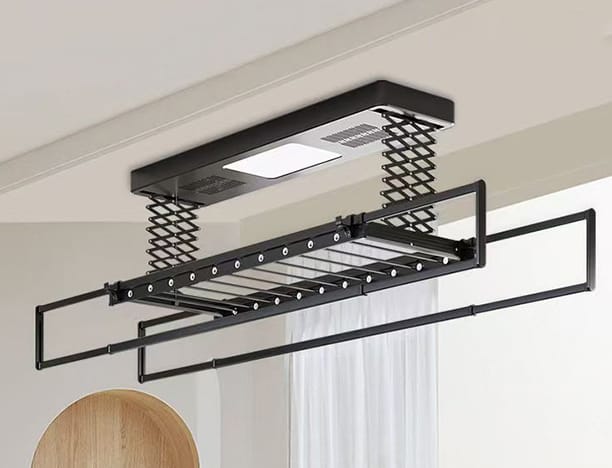
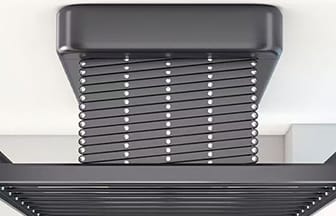
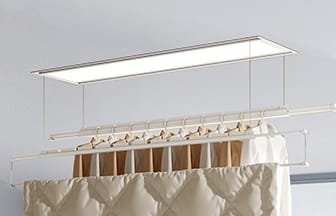
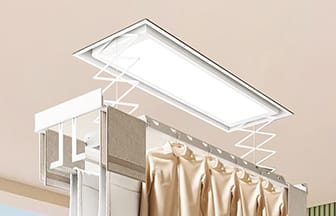
Wall mounted and ceiling mounted racks are designed for users who want maximum space efficiency.
By utilizing vertical areas, these systems keep floors available for other activities. They are often selected for modern laundry rooms, apartments, and professional environments.
For specialized drying solutions and rack manufacturing applications, product design and structural quality are important factors. A well-engineered laundry rack system should combine stable construction, efficient space utilization, and practical features to meet different installation requirements. Designs developed for professional applications often focus on durability, adaptability, and long-term usability, which are essential considerations for modern indoor laundry drying rack solutions.
Adjustable and Multi-Functional Drying Solutions
Adjustable drying racks provide additional flexibility by allowing users to modify height, position, or drying capacity.
These designs are valuable because laundry needs can change depending on clothing type, household size, and available space. A flexible system provides better long-term usability compared with fixed designs.
How to Choose the Right Indoor Drying Racks for Laundry
Selecting an appropriate drying rack requires evaluating more than appearance. Functionality, durability, and installation conditions all influence long-term performance.
Consider Available Space and Installation Requirements
Before selecting a drying rack, users should evaluate:
- Available installation area
- Ceiling or wall structure
- Folding requirements
- Daily laundry volume
A suitable design should fit naturally into the existing environment without creating unnecessary obstacles.
Evaluate Material Quality and Load Capacity
Material quality directly affects durability. Common materials include stainless steel, aluminum, and reinforced metal structures.
Important considerations include:
- Corrosion resistance
- Structural stability
- Surface finishing
- Long-term maintenance needs
A reliable drying rack should maintain performance after repeated daily use.
Focus on Practical Features and Long-Term Use
Useful features may include adjustable height, smooth folding mechanisms, strong connections, and easy cleaning surfaces.
The best solution is not always the most complex one. Practical design that matches actual usage requirements usually provides better user satisfaction.
Indoor Drying Racks for Laundry Compared with Traditional Drying Methods
Indoor drying racks provide an alternative to several common drying approaches.
| Drying Method | Advantages | Limitations |
|---|---|---|
| Indoor Drying Racks | Flexible, energy-saving, space-efficient | Requires airflow management |
| Electric Dryers | Fast drying speed | Higher energy use and heat exposure |
| Outdoor Drying | Natural airflow | Depends on environment conditions |
Indoor Drying Racks vs Electric Dryers
Electric dryers provide speed, but they also consume electricity and expose clothing to mechanical heat.
Indoor drying racks focus on natural drying and fabric protection. They are particularly suitable for users who prefer energy-conscious laundry habits.
Indoor Drying Racks vs Outdoor Drying Solutions
Outdoor drying can be effective when conditions are suitable, but it may not always be available. Indoor drying racks provide a consistent alternative regardless of outdoor space limitations.
How Indoor Drying Racks Support Modern Home Design Trends
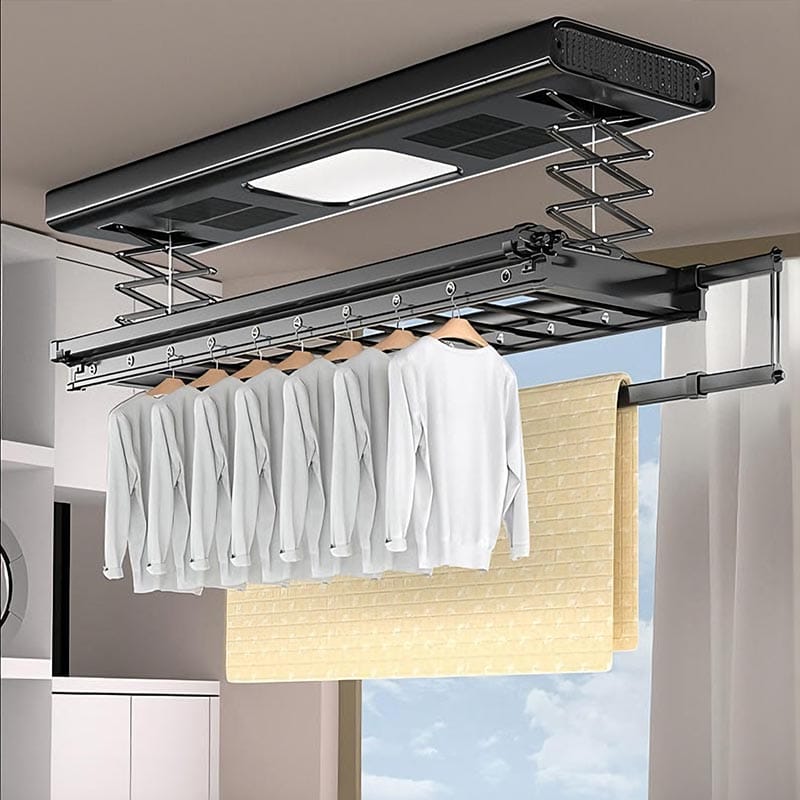
Laundry spaces are no longer treated as purely functional areas. Modern interior design increasingly focuses on creating organized, flexible, and efficient living environments. Indoor drying racks for laundry fit well into this trend because they combine practical drying functions with space management.
Creating Flexible and Organized Laundry Areas
A well-designed laundry area should balance convenience and appearance. Traditional drying methods may create visual clutter, especially when clothes are placed in temporary locations.
Indoor drying racks help establish a dedicated drying zone where garments can be arranged properly. Features such as foldable structures, adjustable frames, and wall-mounted designs allow users to maintain a cleaner and more organized space.
For professional applications, such as residential projects, hotels, and shared laundry facilities, selecting the right rack system can improve both usability and overall space planning. Products designed with durability and flexibility in mind can support different installation requirements. When planning customized drying solutions, factors such as installation space, usage frequency, and functional requirements should be carefully considered to create a more efficient laundry environment. Professional custom laundry rack solutions can help address different application needs through adaptable designs and practical configurations.
Supporting Minimalist and Space-Saving Home Concepts
Minimalist living focuses on reducing unnecessary items while improving functionality. Space-saving laundry products have become increasingly important because many homes require flexible solutions that adapt to different daily activities.
Indoor drying racks support this concept by offering:
- Compact storage options
- Efficient use of vertical space
- Multi-purpose installation possibilities
- Cleaner visual appearance
This makes them suitable for modern homes where practical design and efficient space utilization are equally important.
Maintenance Tips to Improve the Service Life of Indoor Drying Racks
Proper maintenance helps indoor drying racks maintain their appearance, stability, and performance over time. Although high-quality racks are designed for repeated use, regular care can prevent unnecessary wear.
Cleaning and Daily Care Recommendations
Simple cleaning practices can extend product lifespan:
- Remove dust and moisture regularly
- Clean surfaces with suitable materials
- Avoid excessive chemical cleaners
- Check connection points periodically
For metal drying racks, keeping surfaces dry and clean helps maintain appearance and reduces potential corrosion risks.
Preventing Common Usage Problems
Common problems usually result from improper use rather than product design. Users should avoid exceeding recommended load limits and should distribute clothing evenly across the rack.
Good airflow is also important. Overloading a drying rack may slow drying performance because clothes are placed too closely together.
A balanced arrangement allows moisture to evaporate more effectively and improves overall drying efficiency.
Commercial and Residential Applications of Indoor Drying Racks
Indoor drying racks are not limited to household use. Their practical advantages make them suitable for a variety of environments.
Home Laundry Applications
For residential users, indoor drying racks provide solutions for:
- Daily clothing drying
- Seasonal laundry challenges
- Small-space living
- Organized laundry management
Different household layouts may require different designs. Foldable racks may suit flexible spaces, while fixed installation systems may be better for dedicated laundry areas.
Hospitality and Shared Laundry Environments
Commercial environments often require durable products that can handle frequent use. Hotels, apartments, dormitories, and shared laundry facilities benefit from organized drying systems that improve convenience for multiple users.
In these applications, important factors include:
- Structural durability
- Easy maintenance
- Space efficiency
- User safety
Professional-grade indoor drying solutions should be designed according to practical usage conditions rather than only focusing on appearance.
Future Development Trends of Indoor Drying Solutions
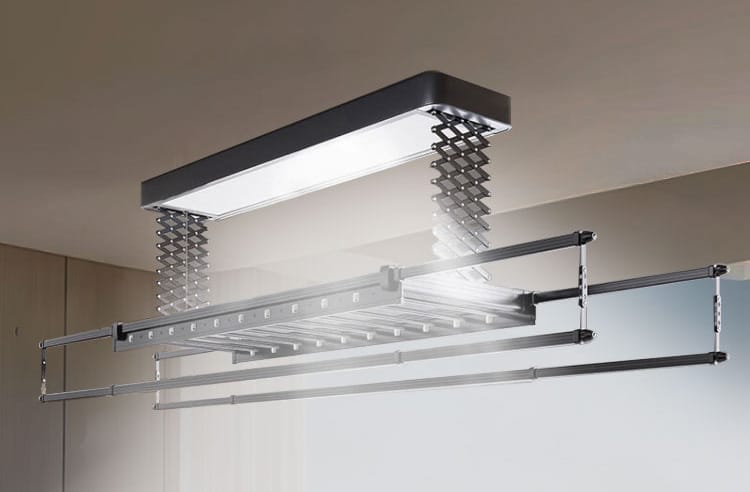
The indoor laundry industry continues to evolve as users demand more efficient, adaptable, and sustainable products.
Smarter Designs and Improved Functionality
Future indoor drying racks are expected to focus on improved usability through:
- More flexible adjustment systems
- Better space-saving mechanisms
- Enhanced material performance
- Easier installation methods
Manufacturers are increasingly combining practical engineering with user-centered design to create products that fit changing lifestyles.
Growing Demand for Sustainable Laundry Products
Sustainability has become an important consideration in household product development. Consumers and businesses are paying more attention to products that reduce unnecessary energy consumption and provide long-term value.
Indoor drying racks support sustainable laundry habits by encouraging natural drying methods and reducing dependence on energy-intensive equipment.
As environmental awareness continues to grow, efficient laundry solutions are expected to become a more important part of future home design.
Conclusion
Indoor drying racks for laundry have developed from simple household accessories into practical solutions for modern living environments. Their ability to save space, support energy-efficient drying, and improve clothing care makes them valuable for both residential and commercial applications.
Choosing the right drying rack requires careful consideration of space conditions, material quality, installation requirements, and daily usage needs. Whether used in compact homes, professional laundry spaces, or hospitality environments, a well-designed drying system can improve organization and convenience.
As homes continue to prioritize flexibility and sustainability, indoor drying solutions will remain an important part of smarter laundry management. Products that combine durability, functionality, and thoughtful design will continue to meet the changing needs of users worldwide.
FAQ
What are indoor drying racks for laundry used for?
Indoor drying racks for laundry are designed to provide a dedicated space for air drying clothes inside homes or commercial environments. They help organize wet garments, improve airflow, and reduce dependence on traditional drying equipment.
Are indoor drying racks for laundry suitable for small spaces?
Yes. Many indoor drying racks are designed with space-saving features such as folding structures, wall installation, and adjustable designs. They allow users to create efficient drying areas without occupying much floor space.
What materials are commonly used for indoor drying racks?
Common materials include stainless steel, aluminum, and durable metal structures. These materials are selected for strength, stability, corrosion resistance, and long-term performance in indoor environments.
How can indoor drying racks improve laundry efficiency?
Indoor drying racks improve efficiency by creating organized hanging space and allowing better airflow between garments. Proper spacing helps clothes dry more evenly while keeping laundry areas cleaner and easier to manage.
How do I choose suitable indoor drying racks for laundry?
The selection process should consider available space, installation method, drying capacity, material quality, and daily usage requirements. A suitable rack should match the environment while providing reliable performance over time.