
Table of Contents
Introduction
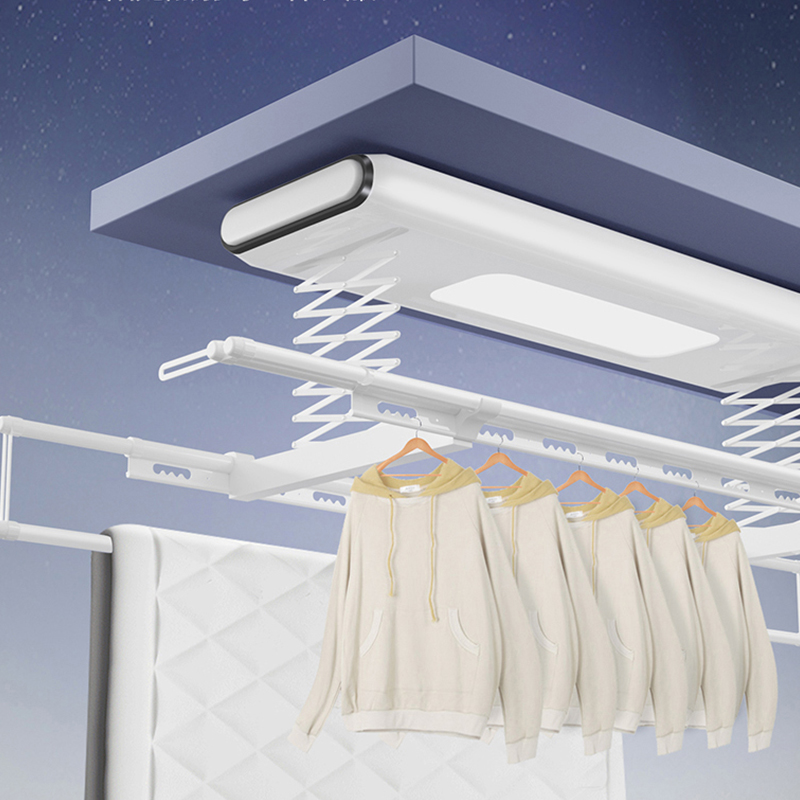
Clothing care is becoming more specialized as consumers pay greater attention to garment condition, convenience, and efficient use of household space. Traditional drying methods usually separate the processes of hanging, organizing, and drying clothes, requiring users to manage each step manually.
An electric clothes hanger dryer combines these functions into a more integrated solution. By adding powered operation and drying assistance to a hanging structure, it helps create a more organized way to handle daily clothing care.
Unlike simple drying racks that only provide hanging space, an electric clothes hanger dryer focuses on improving the entire drying experience. The design allows garments to remain properly arranged while receiving better airflow and more controlled drying conditions.
This development reflects a broader trend in household equipment, where products are increasingly designed around efficiency, convenience, and better adaptation to modern living spaces.
Why Combining Hanging and Drying Functions Matters
In many homes, clothing storage and laundry drying are managed separately. Clothes are washed, moved to a drying area, and later organized again after drying. This process creates additional steps and requires more space.
An electric clothes hanger dryer changes this workflow by bringing hanging and drying functions closer together. Clothing can remain in an organized hanging position while the system provides additional support for the drying process.
This approach is particularly useful for delicate garments, frequently used clothing, and homes where space is limited.
By reducing unnecessary movement between different areas, integrated drying systems create a more efficient clothing care routine.
How an Electric Clothes Hanger Dryer Works
An electric clothes hanger dryer typically combines a hanging structure with powered drying-related functions. Depending on the product design, the system may include electric heating, air circulation, movement control, or adjustable positioning.
The main working process involves maintaining garments on dedicated hanging sections while the system improves drying conditions through controlled operation.
Compared with traditional hanging methods, the electric structure can provide more consistent support during the drying process.
The effectiveness of the system depends on several factors:
- Air movement around garments
- Heat distribution
- Hanging arrangement
- Control accuracy
- Structural stability
A well-designed system must balance drying performance with garment protection to avoid unnecessary stress on fabrics.
Improving Drying Efficiency Through Better Airflow Design
One of the biggest challenges in clothing drying is ensuring that air can reach different areas of garments effectively.
When clothes are placed too close together, moisture removal becomes slower because airflow is restricted. An electric clothes hanger dryer addresses this issue through structured hanging positions and improved circulation.
The arrangement of hanger sections plays an important role. Proper spacing allows air to move around garments more effectively, helping create a more balanced drying environment.
This design principle is similar to industrial airflow management concepts, where controlled air movement improves process efficiency. More information about airflow principles can be found through ventilation.
For household drying equipment, efficient airflow design is essential because it directly influences drying performance and user experience.
Applications of Electric Clothes Hanger Dryers in Modern Homes

Electric clothes hanger dryers are suitable for various residential environments where clothing care and space efficiency are important.
In apartments, they can help residents manage laundry tasks without requiring large drying areas. The hanging structure allows users to maintain organization while making better use of limited space.
In bedrooms or dressing areas, these systems can support garment care by providing a convenient way to manage frequently used clothing.
For households that regularly handle different fabric types, integrated hanging and drying functions provide a more organized approach compared with separate laundry equipment.
Modern residential design increasingly focuses on multifunctional products, and electric clothes hanger dryers fit this direction by combining several household needs into one solution.
Electric Clothes Hanger Dryer Compared with Traditional Drying Methods
Different drying approaches provide different experiences depending on household requirements.
| Drying Solution | Main Function | Advantages | Suitable Applications |
|---|---|---|---|
| Electric Clothes Hanger Dryer | Hanging with electric drying support | Integrated clothing care and organized drying | Modern homes, apartments |
| Traditional Clothesline | Natural hanging drying | Simple and energy-free operation | Outdoor areas |
| Standard Drying Rack | Basic clothing placement | Flexible household use | General laundry spaces |
| Electric Drying Rack | Automated drying support | Convenient operation | Smart residential spaces |
The main difference between an electric clothes hanger dryer and traditional solutions is integration. Instead of treating hanging and drying as separate activities, the system combines them into a more continuous process.
This makes it suitable for users who value organization, convenience, and efficient household routines.
Design Considerations for Garment-Friendly Drying Systems
Developing an effective electric clothes hanger dryer requires careful consideration of both technology and clothing protection.
The hanging structure must support different garment types without causing deformation. Delicate clothing, heavier fabrics, and daily wear items may require different support approaches.
Temperature and airflow control are also important. Excessive heat may affect some fabrics, while insufficient circulation can reduce drying efficiency.
The system should also provide convenient operation. Controls need to be simple enough for everyday use while still offering useful adjustment options.
A successful design balances drying performance with garment care requirements.
Engineering and Manufacturing Challenges
Although electric clothes hanger dryers are designed for household use, their development involves multiple engineering considerations.
The structure needs to support clothing loads while accommodating electrical components. Motors, control systems, heating elements, and airflow components must be integrated carefully.
Manufacturers also need to evaluate product durability through repeated operation testing. Daily household products must maintain stable performance over long periods of use.
Important development factors include:
- Structural strength
- Electrical reliability
- Heat management
- Noise control
- User safety
These engineering considerations determine whether a product can provide consistent performance in real household environments.
The Role of Electric Clothes Hanger Dryers in Future Laundry Design
Future laundry products are likely to focus on greater integration. Instead of using separate devices for washing, drying, and organizing clothes, households may prefer solutions that combine multiple functions.
Electric clothes hanger dryers represent this direction by connecting clothing organization with drying assistance.
As residential spaces become smaller, multifunctional products will become increasingly valuable. Equipment that can save space while improving daily convenience will continue to attract attention.
The development of intelligent laundry equipment, including advanced drying rack solutions, shows how manufacturers are exploring more efficient approaches to modern clothing care.
Manufacturing Quality and Product Reliability
For manufacturers, producing a reliable electric clothes hanger dryer requires attention to both mechanical and electrical quality.
The production process involves structural fabrication, component assembly, electrical integration, surface treatment, and performance testing.
Quality evaluation should consider:
- Movement stability
- Drying performance
- Component durability
- Safety operation
- Product appearance
Consistent manufacturing processes help ensure that the final product meets household expectations for reliability and convenience.
How Electric Clothes Hanger Dryers Support Modern Living
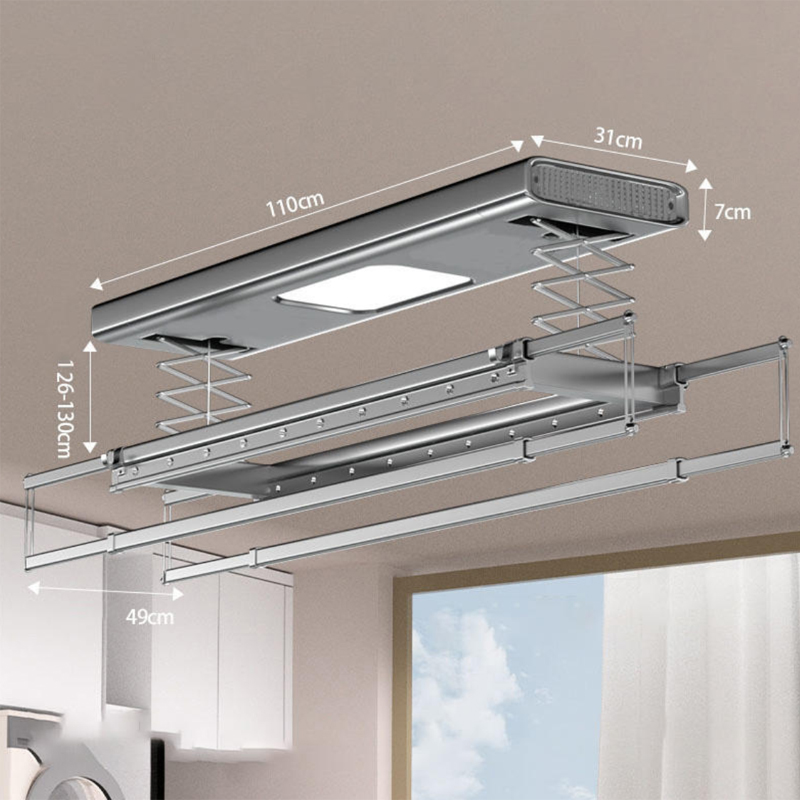
The value of an electric clothes hanger dryer goes beyond drying clothes. It represents a shift toward more organized and efficient household management.
By combining hanging, drying, and space optimization, these systems help users simplify daily routines.
For homes with limited space or busy lifestyles, integrated laundry solutions provide a practical way to improve convenience without adding complexity.
As consumers continue seeking smarter household products, electric clothes hanger dryers will become an important direction in future garment care solutions.
Conclusion
An electric clothes hanger dryer combines clothing organization and drying support into a more integrated household solution. Through improved airflow management, structured hanging design, and electric operation, it provides a more efficient approach to modern garment care.
The development of these systems reflects a broader movement toward multifunctional home products that save space and improve daily convenience.
As residential environments continue to evolve, electric clothes hanger dryers will offer new possibilities for creating cleaner, more efficient, and better-organized laundry spaces.
FAQ
What is an electric clothes hanger dryer?
An electric clothes hanger dryer is a garment care system that combines hanging structures with electric drying functions to improve clothing drying efficiency.
How is an electric clothes hanger dryer different from a normal drying rack?
A normal drying rack mainly provides hanging space, while an electric clothes hanger dryer adds powered drying support and improved control.
Are electric clothes hanger dryers suitable for apartments?
Yes. Their integrated design makes them suitable for homes where space efficiency and organized laundry management are important.
Can electric clothes hanger dryers protect delicate clothing?
A well-designed system can provide controlled drying conditions that help support different garment types.
Can manufacturers customize electric clothes hanger dryers?
Yes. Professional manufacturers can customize structures, functions, dimensions, and designs according to different application needs.
Need Help Choosing the Right Electric Clothes Hanger Dryer?
If you’re unsure which electric clothes hanger dryer is suitable for your home project or application, our experts are here to help. Contact us today for professional guidance and explore reliable garment care solutions designed for modern living spaces. Create a more efficient laundry environment with integrated drying technology and thoughtful product design.




