
Table of Contents
Introduction
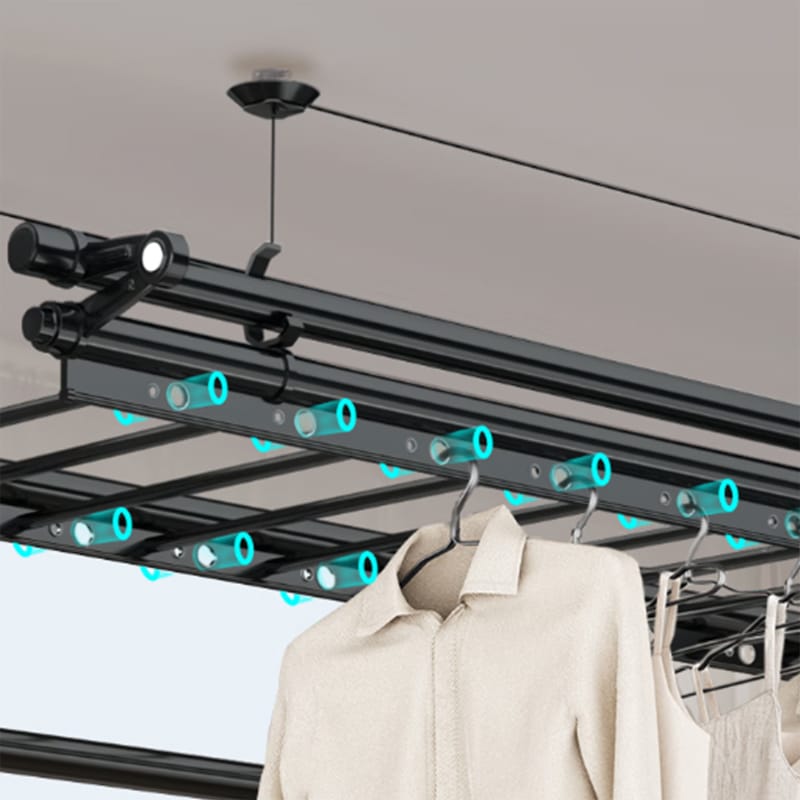
In many modern homes, storage space is becoming increasingly difficult to manage. Larger wardrobes do not always solve the problem because traditional hanging systems still depend on fixed-height rails, limited access areas, and manual organization. High shelves may remain unused, while frequently worn clothing can become difficult to reach in deep or tall wardrobe structures.
An automatic clothes hanger system introduces a different approach by adding controlled movement to clothing storage. Instead of treating wardrobe space as a fixed structure, automated hanger systems allow users to adjust hanging positions according to their daily habits and storage requirements.
This development reflects a broader change in residential design. Homes are no longer focused only on adding more storage capacity; they are increasingly designed around better accessibility, efficient space utilization, and improved user experience.
Why Traditional Clothing Storage Systems Are Becoming Less Flexible
Traditional wardrobes are usually built around stationary hanging rails. While simple and reliable, fixed systems often create unused areas, especially in tall cabinets where upper sections are difficult to access.
For many households, the problem is not a lack of storage volume but inefficient organization. Clothing stored in higher positions may require additional effort to reach, while lower areas may become crowded and difficult to manage.
An automatic clothes hanger system addresses this issue by allowing the hanging area to move. By adjusting the position of clothing sections, users can make better use of vertical wardrobe space without redesigning the entire storage structure.
This approach is particularly relevant for apartments, compact homes, and modern furniture designs where maximizing every available area is important.
How Automation Changes Clothing Organization
The key difference between an automatic hanger system and a traditional wardrobe rail is the introduction of movement control.
Instead of requiring users to manually reach into different areas of the wardrobe, an automated system can lower, raise, or reposition the hanging section through an integrated mechanism.
This creates a more flexible interaction between people and storage space. Clothing that was previously difficult to access can become available with simple operation.
The concept is similar to other automated systems used in modern homes, where mechanical movement helps reduce repetitive tasks and improve convenience. Technologies related to intelligent residential environments continue to develop as part of broader home automation trends.
For wardrobe designers and furniture manufacturers, automation provides new possibilities for creating more functional storage solutions.
The Role of Automatic Hanger Systems in Smart Residential Design
Smart homes are not only about connected devices; they are also about improving how people interact with everyday spaces.
An automatic clothes hanger system fits into this concept by making storage more responsive. Instead of users adapting their habits to fixed furniture layouts, the storage system can adapt to user requirements.
In premium residential projects, automated wardrobe components can improve the overall living experience by combining convenience with a cleaner interior design.
These systems can also work alongside other intelligent home functions, creating more coordinated household environments. As consumers increasingly value practical automation, clothing storage is becoming an area where smart technology can provide meaningful improvements.
From Fixed Rails to Automated Clothing Management
The development of clothing storage has gradually moved from simple hanging structures toward more flexible systems.
Traditional rails provide basic hanging functions but offer limited adjustment. Adjustable systems improved accessibility, but users still needed to operate them manually. Automatic hanger systems take the next step by introducing powered movement and intelligent control.
This evolution is not only about adding electronic components. It represents a change in how storage space is designed.
Modern solutions focus on:
- Better use of vertical areas
- Easier access to stored clothing
- More adaptable wardrobe layouts
- Reduced physical effort
This shift allows furniture designers and product developers to create storage systems that better match modern lifestyles.
Where Automatic Clothes Hanger Systems Are Most Valuable
The value of an automatic clothes hanger system depends strongly on the application environment.
In compact apartments, wardrobe height is often limited by available floor space. Automated hanging systems help residents use vertical storage without creating accessibility problems.
In luxury residential projects, these systems can become part of customized wardrobe solutions where convenience and design quality are equally important.
Hotels, serviced apartments, and high-end accommodation spaces may also benefit from automated clothing management because organized storage contributes to a better user experience.
For households with changing mobility needs, automated movement can provide additional convenience compared with traditional fixed storage solutions.
Important Design Factors for Automated Wardrobe Systems
Creating a reliable automatic hanger system requires more than simply adding a motor to a clothing rail. The entire structure needs to be designed around movement, load capacity, and daily usage.
One important consideration is the relationship between the wardrobe structure and the moving mechanism. The system needs enough space to operate smoothly while maintaining compatibility with different cabinet designs.
Load distribution is another key factor. Clothing weight can vary significantly depending on garment type, so the support structure must maintain stability during movement.
Noise control is also important for residential applications. Since wardrobes are commonly located in bedrooms or private areas, quiet operation directly affects user experience.
A successful design combines mechanical reliability with seamless integration into the surrounding furniture environment.
Engineering Behind Reliable Automatic Hanger Systems
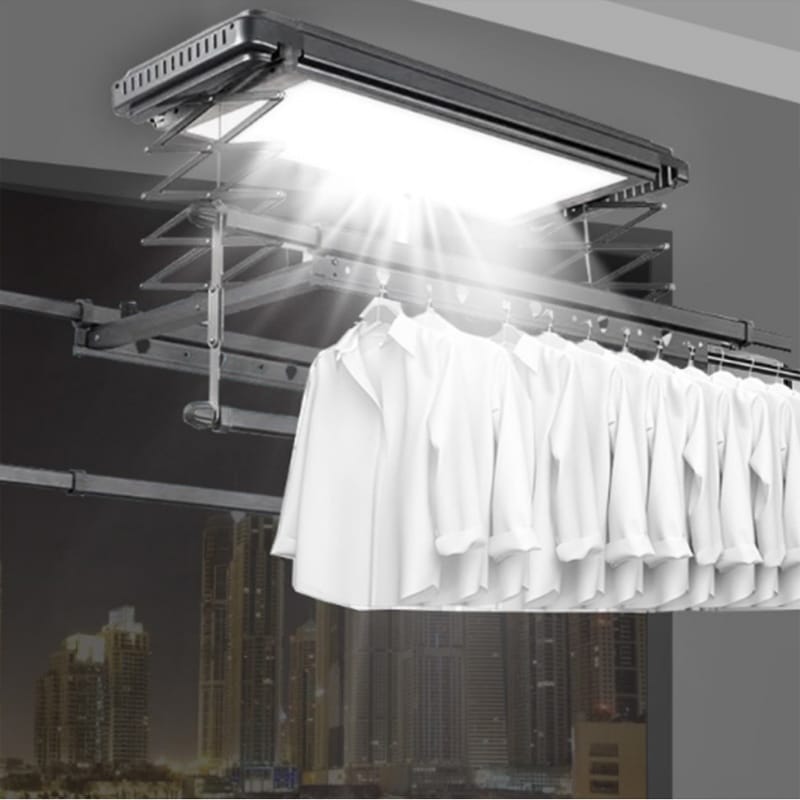
Although users mainly interact with the movement function, the internal engineering determines long-term performance.
The system typically requires coordination between motors, transmission components, control units, and structural supports. Each part must work together to ensure smooth movement and consistent operation.
Manufacturers need to consider repeated usage cycles because wardrobe systems are operated frequently over long periods. Testing movement accuracy, structural strength, and component durability helps improve product reliability.
Modern product development also focuses on compact mechanisms. Smaller and more efficient components allow automated hanger systems to be integrated into different wardrobe designs without affecting appearance.
Automatic Clothes Hanger System Compared with Conventional Wardrobe Solutions
Different storage approaches provide different experiences depending on user requirements.
| Storage Solution | Accessibility | Space Utilization | Typical Application |
|---|---|---|---|
| Automatic Clothes Hanger System | High | Excellent vertical utilization | Smart wardrobes, modern homes |
| Fixed Hanging Rail | Medium | Limited by fixed height | Traditional wardrobes |
| Pull-Down Hanger | Medium to High | Good for tall cabinets | Compact storage spaces |
| Open Clothing Rack | High | Requires visible space | Retail or open storage |
The main advantage of an automatic system is not simply adding movement, but creating a more adaptable relationship between storage space and daily use.
Compared with fixed solutions, automated systems provide greater flexibility for modern wardrobe environments.
How Automated Clothing Storage Connects with Future Home Design
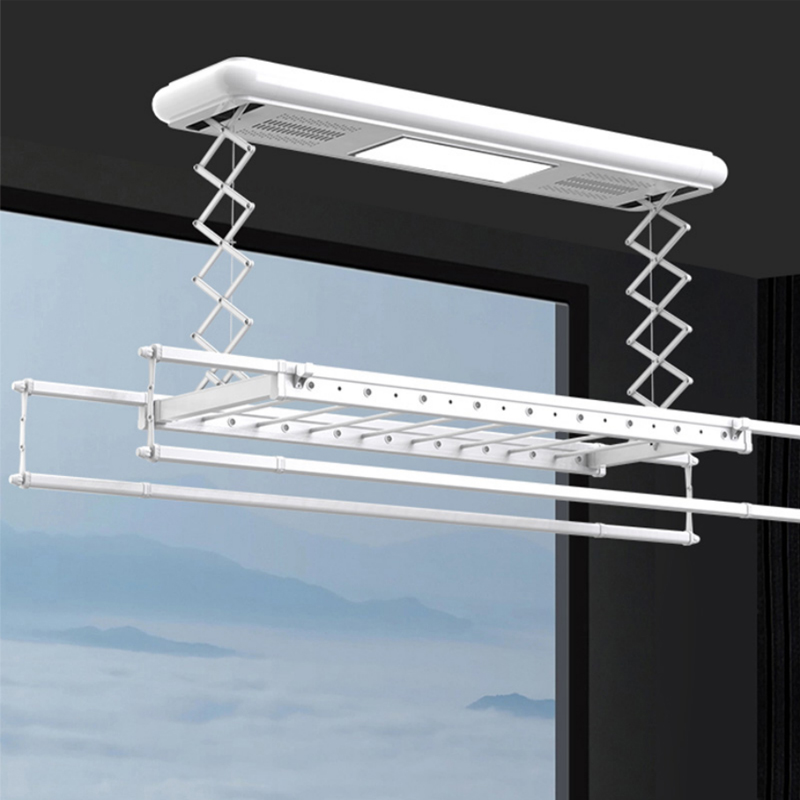
Future residential design is moving toward spaces that are smaller but more intelligent. Furniture and storage products are expected to provide more functions while maintaining simple appearances.
Automatic clothes hanger systems represent this direction by transforming traditional furniture into responsive household equipment.
As smart furniture develops, clothing storage may become increasingly integrated with sensors, intelligent controls, and personalized settings.
The goal is not only automation itself, but creating living environments where everyday activities become easier and more efficient.
Conclusion
An automatic clothes hanger system represents a new approach to clothing storage by combining intelligent movement with efficient space management. Instead of relying on fixed wardrobe structures, these systems allow storage areas to become more flexible and accessible.
For modern homes, the value of automation lies in improving how people interact with their living spaces. By making better use of vertical areas and simplifying daily clothing organization, automated hanger systems provide a practical direction for future wardrobe design.
As residential spaces continue to evolve toward smarter and more adaptable environments, automatic clothing management solutions will become an increasingly important part of modern furniture innovation.
FAQ
What is an automatic clothes hanger system?
An automatic clothes hanger system is a powered wardrobe solution that uses mechanical movement to adjust clothing hanging positions automatically.
How does an automatic hanger system improve wardrobe space?
It helps users access higher storage areas and improves the utilization of vertical wardrobe space.
Can automatic hanger systems be installed in existing wardrobes?
The possibility depends on wardrobe structure, available space, and system design requirements. Professional evaluation is usually needed before installation.
Are automatic hanger systems suitable for small apartments?
Yes. They are especially useful in compact homes where maximizing storage efficiency is important.
Can automatic clothes hanger systems be customized?
Yes. Manufacturers can adjust dimensions, movement functions, and structural designs according to different wardrobe applications.
Need Help Choosing the Right Automatic Clothes Hanger System?
If you’re unsure which automatic clothes hanger system is suitable for your wardrobe design or residential application, our experts are here to help. Contact us today for professional guidance and explore flexible clothing management solutions designed for modern living spaces. Create a smarter storage environment with an automated system that improves accessibility, organization, and everyday convenience.





