Table of Contents
Managing laundry efficiently is one of the biggest challenges in modern homes. You might be tired of cluttered spaces, clothes taking too long to dry, or the inconvenience of traditional racks that occupy too much room. This is where an auto clothes drying rack becomes a game-changer. It allows you to dry clothes faster, save space, and even reduce energy consumption, all while integrating seamlessly into your daily routine.
In this guide, you will discover the benefits, practical usage tips, and real-world case studies of auto clothes drying racks, helping you make an informed choice for your home.
Why Auto Clothes Drying Racks Are Becoming Popular
Homes are evolving. Urban living, smaller apartments, and the demand for multifunctional spaces have made traditional drying methods less practical. According to Global Housing and Home Equipment Reports, the demand for space-saving and energy-efficient home appliances has grown by approximately 8% annually in recent years.
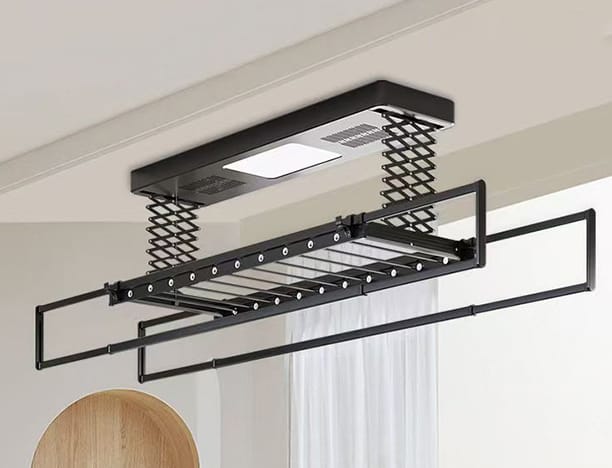
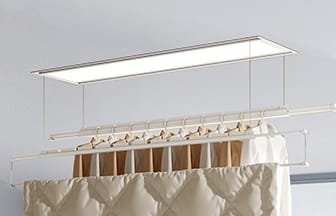
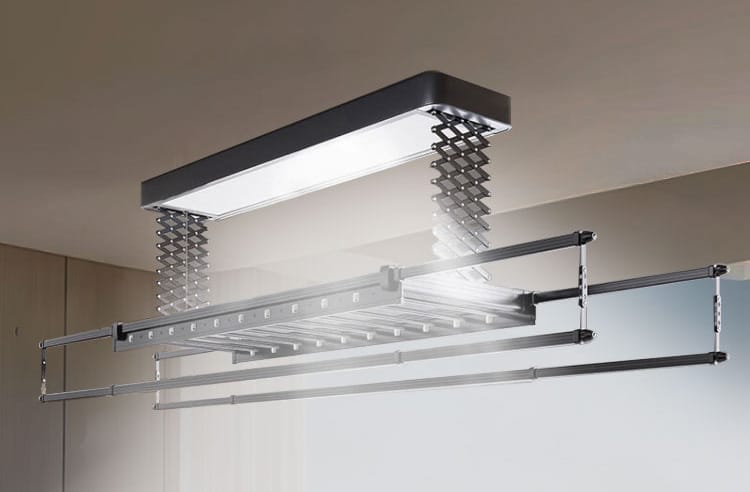
An auto clothes drying rack addresses these trends perfectly. It combines technology and convenience, allowing you to lift, lower, and dry clothes with minimal effort. Unlike floor-standing racks, it often mounts to the ceiling or wall, freeing valuable floor space.
How an Auto Clothes Drying Rack Works
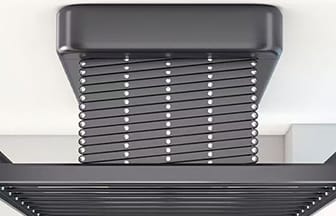
Most automated racks operate with a motorized pulley system, often controlled by remote or smart sensors. Here’s what you typically get:
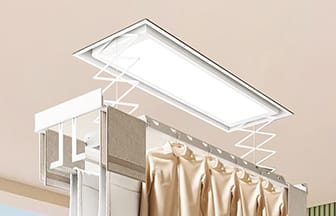
- Automatic lift and lower functionality: You can adjust the height to load or unload clothes effortlessly.
- Smart drying modes: Some racks detect humidity and optimize drying time.
- Energy-efficient design: Saves electricity compared to constant use of electric dryers.
By integrating these features into your laundry routine, you gain efficiency and comfort. For example, one family in a city apartment reported that using an auto rack cut their laundry setup time by more than 50% while reducing clutter in their small living room.
Real-Life Example: Small Apartment Transformation
Consider a two-bedroom apartment where the laundry area is tight. Previously, residents relied on a foldable floor rack that blocked hallways.
After installing a ceiling-mounted auto clothes drying rack:
| Feature | Before | After |
|---|---|---|
| Floor space usage | 10 sq. ft blocked | 0 sq. ft blocked |
| Laundry setup time | 15 minutes | 5 minutes |
| Average drying time | 6 hours | 4 hours |
| Clothes damage | Occasional creases | Minimal |
This small change transformed not only the utility of the space but also the daily experience, making laundry a more streamlined and stress-free activity.
Benefits of Using an Auto Clothes Drying Rack
- Space-saving design: Mounting the rack to the ceiling frees up floor space for other household activities.
- Reduced manual labor: Automated lifting eliminates the need to bend or struggle with heavy wet clothes.
- Faster drying times: By optimizing airflow and distance between garments, drying efficiency improves.
- Energy-efficient alternative: Less reliance on electric dryers saves money and reduces environmental impact.
- Modern aesthetics: Sleek design integrates seamlessly with contemporary interiors.
Installation Tips for Maximum Efficiency
- Optimal positioning: Install near a window or ventilation source to maximize airflow.
- Structural support: Ensure the ceiling can bear the weight of fully loaded clothes.
- Height adjustments: Place at a convenient height for daily access.
- Maintenance access: Keep the pulley system reachable for occasional lubrication or checks.
Proper installation ensures longevity and efficiency, preventing common mistakes such as uneven weight distribution or limited airflow.
Choosing the Right Model for Your Home
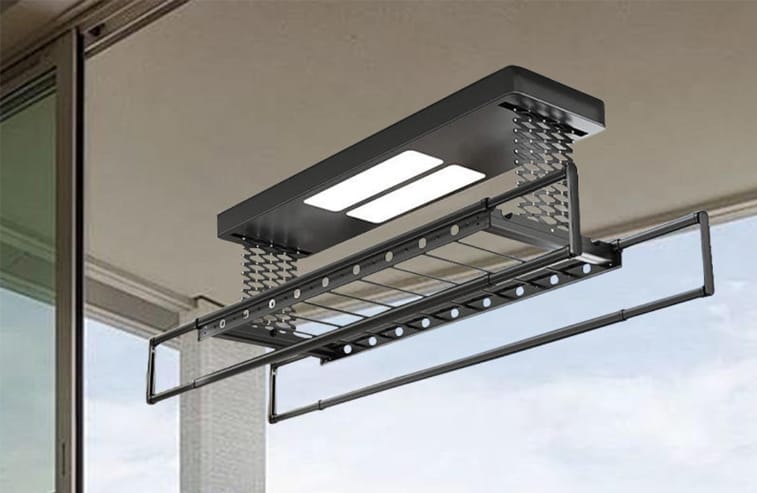
When selecting an auto clothes drying rack, consider:
- Load capacity
- Material (aluminum vs. steel)
- Motor reliability and warranty
- Control options (remote, app, or manual)
- Additional features (UV sterilization, built-in lighting, or fan-assisted airflow)
Taking these factors into account prevents dissatisfaction and ensures long-term satisfaction.
Table: Feature Comparison of Different Types of Drying Solutions
| Drying Solution | Space Saving | Drying Speed | Convenience | Longevity | Cost |
|---|---|---|---|---|---|
| Auto Clothes Drying Rack | High | Medium-High | High | High | Medium-High |
| Floor Rack | Medium | Medium | Medium | Medium | Low |
| Ceiling Pulley System | High | Medium | Medium | Medium | Medium |
| Electric Dryer | Low | High | Medium | High | High |
This comparison illustrates why automated racks are increasingly preferred for modern homes, balancing efficiency, convenience, and space management.
Maintenance Tips for Longevity
- Wipe rails and rods monthly to prevent dust accumulation
- Inspect motorized pulleys every 3–6 months
- Avoid overloading beyond rated capacity
- Lubricate moving parts as needed
Following these practices ensures your auto clothes drying rack lasts many years and performs reliably.
Conclusion
Managing your laundry doesn’t have to be a daily hassle. With an auto clothes drying rack, you gain convenience, save space, and reduce drying time, all while protecting your clothes from unnecessary wear. Whether you live in a compact apartment or simply want a smarter way to dry laundry, this solution offers practical benefits that enhance your everyday life.
Need Help Choosing the Right Auto Clothes Drying Rack? If you’re unsure which model fits your space or needs, our experts at YIHUI are ready to assist. Contact us today for a personalized consultation, and make your laundry routine smarter, safer, and more efficient. Don’t wait—upgrade your home laundry experience now!
FAQ
How much weight can an auto clothes drying rack hold?
Most models are designed to handle 20–40 kg of wet clothes, depending on the design and mounting structure.
Can I install it myself?
Yes, many units come with DIY instructions, but professional installation guarantees maximum safety.
Are automated racks energy-efficient?
Yes, because they replace some need for electric dryers and use motors only intermittently.
How do I clean and maintain it?
Regularly wipe rails, check pulleys, and ensure moving parts are lubricated.
Is it suitable for humid environments?
Models made from aluminum or stainless steel are resistant to corrosion and perform well in humid areas.