Table of Contents
A remote clothes drying rack purchase should begin with the actual laundry routine and room constraints. A replacement remote programme needs a way to distinguish similar-looking transmitters. This guide helps buyers, distributors and project teams evaluate the remote clothes drying rack through room fit, a representative sample and written acceptance criteria. Use the current configuration and instructions for any final product decision.
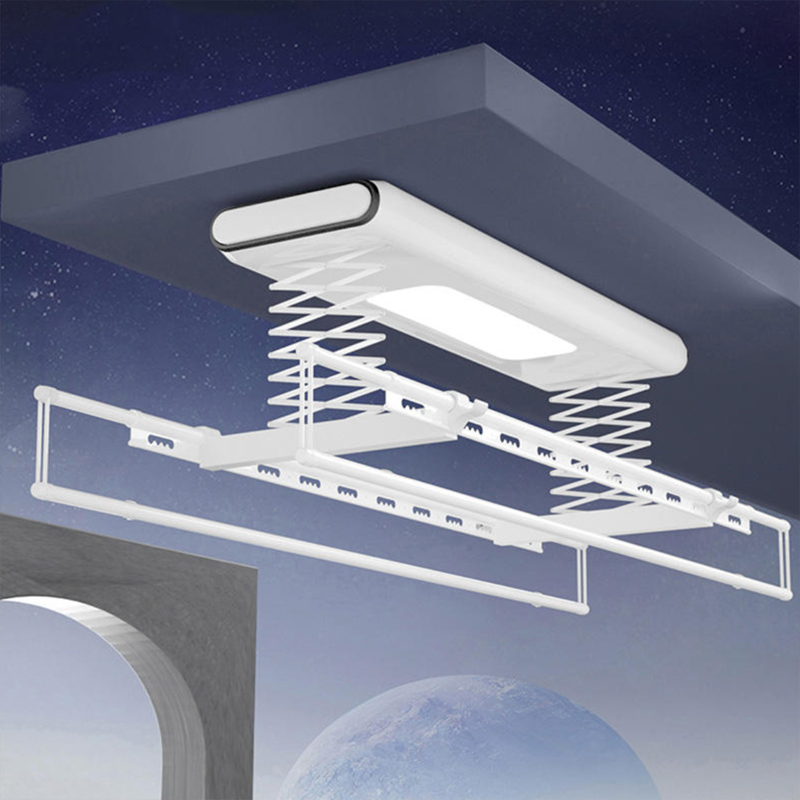
Remote Replacement and Pairing in practice
A replacement remote programme needs a way to distinguish similar-looking transmitters. Start with the model label and the receiver revision, then ask the supplier for a compatible part number. Order a service sample and perform the documented pairing process with the original remote kept available. Record whether pairing adds another controller or replaces the old one. This matters to a dealer that wants to ship a spare quickly without asking the customer to buy a complete new rack.
The decision for this remote clothes drying rack should be recorded against three specific points: compatible replacement part number; pairing sequence and confirmation; old controller removal method. Keep the observation, the document reference and the person responsible for resolving any exception together. This turns a broad product enquiry into a review that another buyer or installer can follow.
Remote Clothes Drying Rack: document pairing and controller replacement
A remote clothes drying rack needs a recoverable setup process. Ask for the exact pairing sequence, the indication of successful pairing and the method for removing an old controller. Confirm whether the procedure belongs to the current receiver revision. Dealers should be able to identify a compatible replacement from the model label rather than relying on the appearance of a remote.
Keep the instructions for a remote clothes drying rack with its order record and customer handover material. During sample evaluation, have a second staff member follow the written steps without coaching from the demonstrator. If the process depends on undocumented timing or an unlabeled button, request clearer instructions before launch. This small exercise can reveal support problems that a polished product demonstration conceals.
Test commands from the places people actually stand
Assess a remote clothes drying rack from the laundry doorway, the loading position and the normal storage location of its controller. Furniture, walls and adjacent equipment can change the user experience. Record whether a command is acknowledged and whether the moving rails remain in view. A successful demonstration beside an unpacked sample gives little information about the finished apartment.
The test for a remote clothes drying rack should include short, deliberate commands as well as stopping partway through travel. Use the manufacturer's procedure and keep the travel area clear. Do not rely on an advertised maximum radio range to decide where a user can safely operate the rack. A clear view of the laundry and predictable response are more useful purchasing criteria than a distance figure detached from its test conditions.
Leave space for air between garments
Useful capacity on a remote clothes drying rack is affected by the way garments are arranged. Layers pressed together create damp contact areas and make checking completion difficult. Spread items so air can reach both sides, and separate thick folded sections from adjacent laundry where the fabric-care instructions allow it.
During the remote clothes drying rack sample trial, record the number and type of garments that fit with usable spacing. This gives a retailer a more helpful demonstration than filling every possible hanger position. If drying performance is disappointing, review spacing and room conditions before concluding that a longer rail or more hangers will solve the problem.
Inspect edges, joints and clothing contact surfaces
Review the remote clothes drying rack where hands and garments make contact. Run the prescribed sample checks for burrs, rough coating, exposed ends and poorly seated caps. Pay attention to telescopic joins and removable accessories, where a snag can be less obvious in a catalogue photograph. Use safe inspection methods rather than bare-hand force on suspect edges.
The remote clothes drying rack inspection record should show the location of a defect and the condition in which it appears. Distinguish a cosmetic mark from a contact point that can damage fabric or interfere with operation. Agree the acceptable finish with the supplier before production so the inspector has a concrete reference for the batch.

Collect useful information for remote diagnosis
When a customer reports a problem with a remote clothes drying rack, ask for the model label, a description of the last normal operation and clear photographs of the installation. Record whether lighting and motion are both affected, whether the controller indicates a command and whether the rails remain level. Keep people clear of unexpected movement.
The support process for a remote clothes drying rack should separate checks a user can safely perform from work reserved for a qualified technician. Do not ask customers to open an energized enclosure or bridge a protection device. A good diagnosis form reduces repeated questions and lets the service team decide whether the issue concerns power, control, installation, loading or a mechanical component.
Agree what the warranty process requires
Before selling a remote clothes drying rack, define the warranty route, the evidence needed for a claim and the allocation of transport and labor costs. Confirm the actual written terms for the destination market and channel. A broad phrase such as quality guaranteed does not tell a dealer how a replacement will be authorized.
The after-sales plan for a remote clothes drying rack should include contact details, expected information, escalation steps and a way to identify the supplied revision. Explain any distinctions between consumable parts, installation problems and manufacturing defects in plain language consistent with the written terms. Keep the customer informed about the next action without promising a resolution date that the supplier has not agreed.
Review packaging around vulnerable components
Packaging for the remote clothes drying rack should protect long rails, projecting arms, finish surfaces and small accessories during the intended journey. Examine a packed sample for movement and contact between parts. Ask the supplier which transit checks have been performed and whether they cover the current pack design and distribution route.
For the remote clothes drying rack, agree how transport damage will be documented at receipt. Photograph the unopened carton, identification and internal protection before discarding packing. Keep damage patterns separate from manufacturing defects. A crushed corner, a loose component and a missing accessory require different corrective actions even if all three appear as a return in the sales system.
Use model labels to control revisions
The remote clothes drying rack label should let a dealer or service team identify what was supplied. Record the model, batch or serial information available and connect it to the purchase order and document revision. Photograph the label during sample acceptance and customer handover where appropriate.
When the remote clothes drying rack changes, ask how the new version can be distinguished from the old one. A receiver, cable route or folding joint may differ even when the outer finish looks the same. Update spares and instructions together. Clear identification prevents staff from solving a problem with a component or procedure intended for another revision.
Decision checklist and comparison
Use the following comparison for the remote clothes drying rack evaluation. The alternatives describe evidence quality, not a claim that one brand always performs better. Resolve missing information before accepting an equivalent product or releasing the batch.
| Approach | When it may fit | Confirm before choosing |
|---|---|---|
| Handheld local control | Routine operation within view of the rack | Compatible receiver, supported functions and pairing instructions |
| Wall control | A consistent operating location near the loading area | Installation requirements and the supplied control version |
| Phone interface, if offered | A buyer who needs the confirmed connected functions | Supported app, account requirements and offline behavior |
Product configuration to discuss
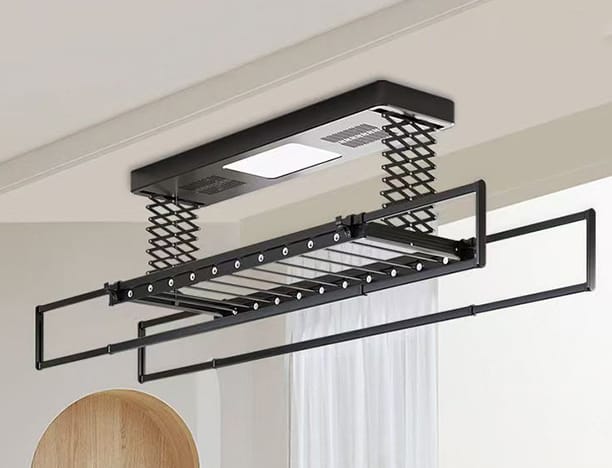
For a relevant starting point, review YIHUI Automatic Hanging Rack 8316 with YIHUI. Treat the listed product as a candidate for the remote clothes drying rack brief and confirm the current drawing, included controls, finish and installation or assembly requirements. Product-family photographs do not establish that every option is supplied together.
Compare the relevant YIHUI product category and ask about configuration and supply services. Keep requested features separate from those already confirmed for the selected model.
Independent reading
For independent background, read Wikipedia overview of drying-rack designs. Use this background to understand the names used for different rack arrangements. Confirm specifications from the supplier rather than treating a general overview as a model test.
Request a configuration review
Send YIHUI your remote clothes drying rack brief with the intended market, room or storage dimensions, routine laundry type and planned order quantity. Include compatible replacement part number as a specific review item. Ask for a configuration proposal and sample plan before committing to a bulk order. Use the enquiry form below or the contact page to start the discussion.
Frequently asked questions
What should I check first for a remote clothes drying rack?
Begin with compatible replacement part number. Match it to the actual room or sales brief, then confirm the current configuration and instructions. A sample should demonstrate the feature that determines your purchase decision.
Which documents should accompany a remote clothes drying rack quote?
Request a current drawing, feature list, packing list and installation or assembly instructions. For this brief, also document pairing sequence and confirmation. Ask the supplier to identify options and any unresolved differences.
How should I evaluate a remote clothes drying rack sample?
Use the intended garments, hangers and room or display conditions. Record the setup and observations so another person can repeat the review. Include old controller removal method in the acceptance record.
Can a similar-looking remote clothes drying rack be substituted?
Review the supplied revision, dimensions, components and instructions before approving a substitute. Similar appearance does not establish compatible controls, an equivalent mechanism or the same permitted loading conditions.
What information helps YIHUI review my remote clothes drying rack enquiry?
Supply the destination market, quantity, intended use, useful dimensions and required functions. State that the main topic is remote replacement and pairing and include photographs or a sketch where these clarify the practical constraint.