Table of Contents
An octopus drying rack purchase should begin with the actual laundry routine and room constraints. Radial arms invite users to hang several garment types around a central support. This guide helps buyers, distributors and project teams evaluate the octopus drying rack through room fit, a representative sample and written acceptance criteria. Use the current configuration and instructions for any final product decision.

Balanced Arms and Mixed Loads in practice
Radial arms invite users to hang several garment types around a central support. Demonstrate a balanced sequence using the actual hanger mix, and confirm any arm-specific limit in the instructions. Keep heavier items distributed rather than placing all towels on one side. If the supplier has not documented a suitable bedding arrangement, do not copy a promotional photograph into a capacity promise. The rack should suit the routine load in a stable deployed setup.
The decision for this octopus drying rack should be recorded against three specific points: balanced loading around the centre; whole-rack and arm limits clarified; garment clearance from base. Keep the observation, the document reference and the person responsible for resolving any exception together. This turns a broad product enquiry into a review that another buyer or installer can follow.
Octopus Drying Rack: load radial arms in a balanced sequence
Load an octopus drying rack so weight is distributed around the central support. Start with a balanced arrangement and use the specified load limits for both individual arms and the complete rack where provided. A light item at the far end of an arm can influence balance differently from the same item near the center.
The trial for an octopus drying rack should include the actual hanger and garment types the customer will use. Observe whether arms remain secure and whether garments touch the base or each other. Stop and reassess if the rack leans or moves. A demonstration with evenly spaced dry shirts should not be presented as evidence for an arbitrary load of wet towels on one side.
Check every folding joint during a sample review
Open and close an octopus drying rack following its instructions and identify where fingers, fabric or a hanger can become trapped. Check that the deployed position is clear to the user and that joints do not rely on guesswork. An attractive folded shape does not establish reliable locking in daily use.
For an octopus drying rack, record any play, sharp contact point or confusing assembly step. Ask which fasteners are intended to be user-tightened and which are factory-set. Keep the approved setup sequence with retail and distributor training material. Inspecting the mechanism carefully before a bulk purchase is more useful than discovering that customers assemble it differently from the demonstration team.
Leave space for air between garments
Useful capacity on an octopus drying rack is affected by the way garments are arranged. Layers pressed together create damp contact areas and make checking completion difficult. Spread items so air can reach both sides, and separate thick folded sections from adjacent laundry where the fabric-care instructions allow it.
During the octopus drying rack sample trial, record the number and type of garments that fit with usable spacing. This gives a retailer a more helpful demonstration than filling every possible hanger position. If drying performance is disappointing, review spacing and room conditions before concluding that a longer rail or more hangers will solve the problem.
Evaluate the complete laundry workflow
Test the octopus drying rack from the moment a washed load leaves the machine to the point at which dry garments are collected and stored. Include carrying the basket, sorting fabrics, arranging hangers and clearing the space. A short demonstration of the empty mechanism covers only a small part of this routine.
Have the intended user or a representative staff member trial the octopus drying rack without staged assistance. Record awkward reaches, blocked doors and extra handling. Small layout changes can matter more than adding another optional function. Use the observations to choose between configurations and to write instructions that reflect how the product will actually be used.

Make the carton contents easy to verify
An octopus drying rack retail carton should identify the model, finish and included components. Check whether the customer receives the rack assembled or needs to attach a base, arms or accessories. Compare the packing list with the sample and test whether small parts remain identifiable after opening.
The unboxing review for an octopus drying rack should be done by someone who has not assembled the product before. Have them follow the supplied instructions, count the parts and note confusing steps. Request clearer illustrations or part labels where needed. A complete carton and understandable setup sheet can reduce returns that have little to do with the quality of the rack itself.
Use returns to improve setup information
Track returns for an octopus drying rack by a clear reason: damaged in transit, missing part, setup confusion, unsuitable footprint or functional defect. Ask for specific photographs and a brief description. A single generic quality code hides the distinction between product design, packaging and customer expectations.
Review the octopus drying rack feedback with the supplier using the actual batch and model identifiers. A repeated missing fastener calls for packing control; repeated footprint complaints may require clearer listing images. Treat a pattern as a reason to investigate, not proof of a failure rate without a denominator. Document the correction and check the next batch against the issue that prompted it.
Create a useful request for quotation
A request for an octopus drying rack quote should name the intended market, room type, approximate quantity, required functions and preferred finish. Add a dimensioned room sketch for an installed product or a storage requirement for a portable one. Ask the supplier to state exceptions and identify options separately.
For the octopus drying rack, request the current drawing, manual, packing list and sample arrangements together. A supplier can respond more accurately when the brief describes the practical problem rather than only a broad product name. Keep the approved answer with the order so a later employee can see why that configuration was selected.
Close the evaluation with a decision record
Approve the octopus drying rack only after the team has resolved the questions that affect its use: fit, loading, operation, documentation, supplied parts and support. Summarize the selected configuration, accepted limitations and remaining commercial conditions in a short decision record. Attach the photographs and drawings used in the evaluation.
The record for the octopus drying rack should explain the practical reason for choosing it. It may be the loading height, a suitable base, a manageable manual mechanism or a clear service route. Keeping that reason visible helps future orders stay consistent and prevents an apparently similar substitute from being accepted without checking the conditions that mattered originally.
Decision checklist and comparison
Use the following comparison for the octopus drying rack evaluation. The alternatives describe evidence quality, not a claim that one brand always performs better. Resolve missing information before accepting an equivalent product or releasing the batch.
| Approach | When it may fit | Confirm before choosing |
|---|---|---|
| Radial tripod stand | A deployed base and balanced hanger arrangement fit the room | Base spread, arm position, load distribution and folded size |
| Folding floor rack alternative | Horizontal rails better match the laundry mix | Actual product availability, joints and deployed floor area |
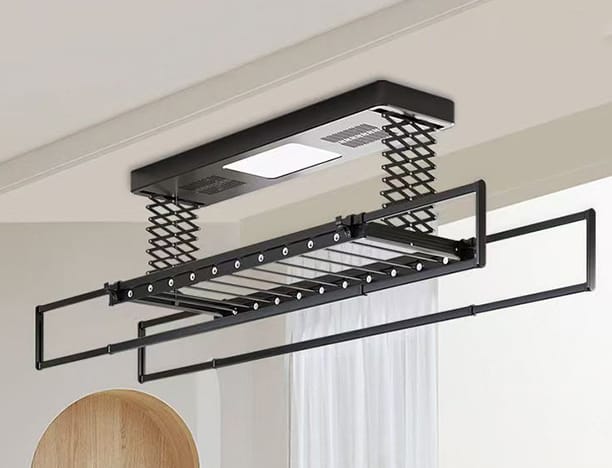
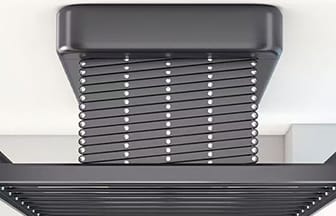
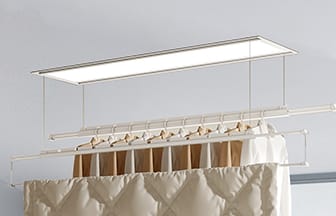
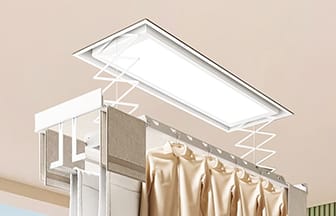
| Ceiling system alternative | The buyer prefers overhead space and accepts installation | Supporting structure, loading height and service route |
Product configuration to discuss
For a relevant starting point, review Tripod Clothes Drying Rack with YIHUI. Treat the listed product as a candidate for the octopus drying rack brief and confirm the current drawing, included components, finish and installation or assembly requirements. Product-family photographs do not establish that every option is supplied together.
Compare the relevant YIHUI product category and ask about configuration and supply services. Keep requested features separate from those already confirmed for the selected model.
Independent reading
For independent background, read Wikipedia overview of garment care symbols. Use this background when explaining garment-care decisions. Product instructions and the label on each garment serve different purposes.
Request a configuration review
Send YIHUI your octopus drying rack brief with the intended market, room or storage dimensions, routine laundry type and planned order quantity. Include balanced loading around the centre as a specific review item. Ask for a configuration proposal and sample plan before committing to a bulk order. Use the enquiry form below or the contact page to start the discussion.
Frequently asked questions
What should I check first for an octopus drying rack?
Begin with balanced loading around the centre. Match it to the actual room or sales brief, then confirm the current configuration and instructions. A sample should demonstrate the feature that determines your purchase decision.
Which documents should accompany an octopus drying rack quote?
Request a current drawing, feature list, packing list and installation or assembly instructions. For this brief, also document whole-rack and arm limits clarified. Ask the supplier to identify options and any unresolved differences.
How should I evaluate an octopus drying rack sample?
Use the intended garments, hangers and room or display conditions. Record the setup and observations so another person can repeat the review. Include garment clearance from base in the acceptance record.
Can a similar-looking octopus drying rack be substituted?
Review the supplied revision, dimensions, components and instructions before approving a substitute. Similar appearance does not establish compatible controls, an equivalent mechanism or the same permitted loading conditions.
What information helps YIHUI review my octopus drying rack enquiry?
Supply the destination market, quantity, intended use, useful dimensions and required functions. State that the main topic is balanced arms and mixed loads and include photographs or a sketch where these clarify the practical constraint.