Table of Contents
If you’ve ever dealt with a drying rack that bends under weight, rusts after a few months, or becomes unstable over time, you already understand why material choice matters. When it comes to long-term laundry solutions, a metal drying rack for laundry is no longer just an option—it’s becoming the preferred choice for users who value durability, stability, and consistent performance.
This article is written for you as someone who wants practical, real-world guidance, not marketing promises. Whether you live in a small apartment, manage a household with frequent laundry cycles, or simply want equipment that lasts, this guide walks you through everything you need to know about metal drying racks—from material science and real use cases to installation, maintenance, and long-term value.
Why Material Choice Is the First Decision You Should Make
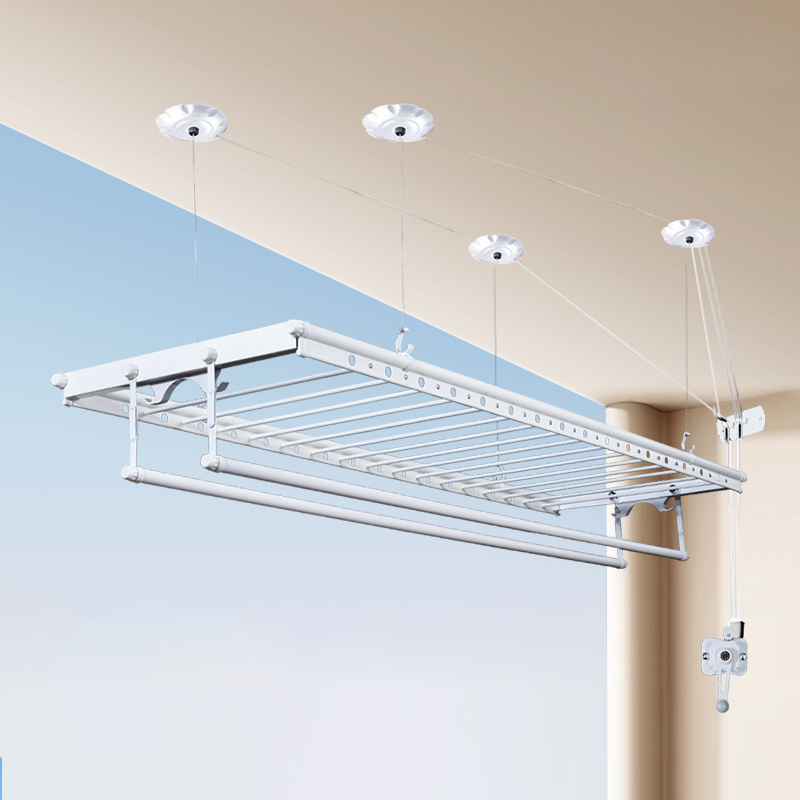
Many people focus on size, price, or appearance when choosing a drying rack. Material often comes last, but in practice, it determines how the rack performs over years of use.
Plastic racks are lightweight but prone to cracking. Wooden racks look appealing but struggle with moisture over time. Metal drying racks, when properly designed, strike a balance between strength, stability, and longevity.
According to material performance data published in engineering material property references, metals such as aluminum alloys and stainless steel offer superior load resistance and corrosion control compared to common household plastics.
What Defines a High-Quality Metal Drying Rack for Laundry?
Not all metal racks are created equal. Understanding what separates a well-designed rack from a short-lived one helps you make a smarter decision.
Common Metal Types Used
| Metal Type | Key Characteristics | Best Use Scenario |
|---|---|---|
| Stainless Steel | Corrosion-resistant, high strength | Humid environments |
| Aluminum Alloy | Lightweight, rust-resistant | Ceiling or lift systems |
| Carbon Steel (Coated) | High strength, cost-effective | Indoor use with coating |
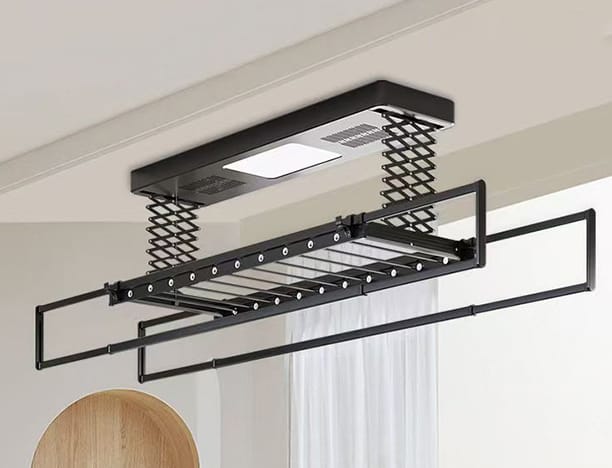
The choice of metal affects weight, rust resistance, and installation options. For example, aluminum alloys are commonly used in ceiling-mounted systems because they combine strength with reduced load on ceiling structures.
Why Metal Drying Rack For Laundry Are Gaining Popularity
Long-Term Structural Stability
Metal racks maintain their shape even when fully loaded. This matters when drying heavy items such as towels, jeans, or bedding. Over time, consistent loading can cause non-metal racks to warp or sag.
Better Load Distribution
A metal drying rack for laundry distributes weight evenly across rails and joints. This reduces stress points and prevents sudden failures—an important safety consideration, especially in ceiling or elevated installations.
Resistance to Moisture and Heat
Laundry environments are naturally humid. Metal racks designed for laundry use are treated or alloyed to resist corrosion. This makes them more suitable for bathrooms, balconies, or laundry rooms.
You can explore how moisture affects different materials in indoor environments through this overview of corrosion basics.
Case Study: Replacing a Plastic Rack with a Metal System
Consider a household that relied on a foldable plastic drying rack for daily laundry. Over time, joints loosened, rails bent, and stability declined.
After switching to a metal drying rack for laundry, the household reported:
- Increased load capacity without bending
- No deformation after months of daily use
- Improved safety when drying heavier items
- Reduced need for replacement
The key takeaway was not convenience alone, but reliability. Once installed, the metal rack simply worked without constant adjustment.
Ceiling-Mounted vs. Freestanding Metal Drying Rack For Laundry
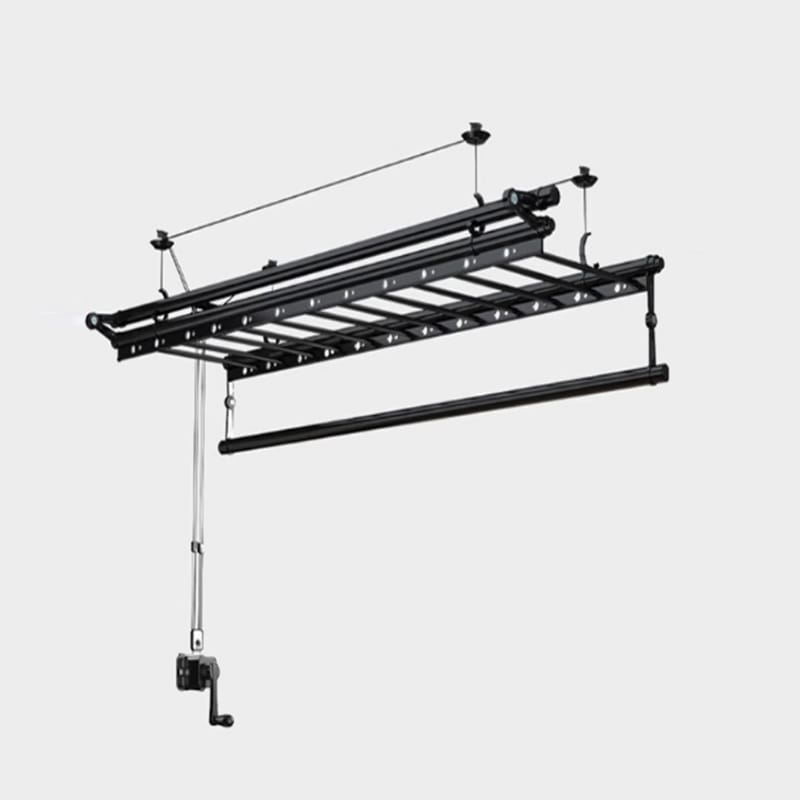
Metal drying racks come in different configurations. Choosing the right type depends on your space and usage habits.
| Configuration | Advantages | Considerations |
|---|---|---|
| Ceiling-Mounted | Saves floor space, high load capacity | Requires ceiling support |
| Wall-Mounted | Space-efficient, fixed location | Limited size |
| Freestanding | Portable, easy setup | Uses floor space |
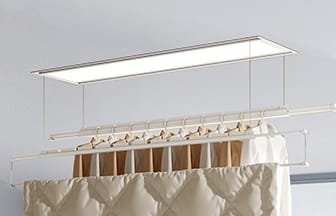
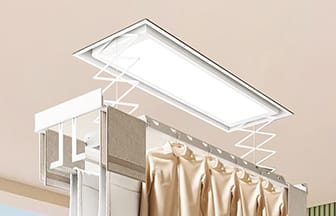
Ceiling-mounted metal drying racks are especially popular in modern homes where maximizing usable space is a priority.
Load Capacity: What You Really Need
A common mistake is underestimating laundry weight. Wet clothes weigh significantly more than dry ones.
Approximate wet weight:
- T-shirt: 0.5–0.7 kg
- Jeans: 1–1.2 kg
- Bath towel: 1.5–2 kg
A full load can easily exceed 20 kg. Choosing a metal drying rack rated for higher loads ensures safety and longevity.
For reference on load behavior and structural limits, this engineering load overview provides helpful background.
Installation Considerations for Metal Drying Rack For Laundry
Ceiling Strength and Anchoring
Metal racks are strong, but the structure supporting them must be equally reliable. Concrete ceilings and reinforced beams are ideal. Drywall ceilings often require additional anchoring solutions.
Guidelines on ceiling load and support can be reviewed in this ceiling load reference.
Height and Accessibility
Adjustable height systems improve usability, allowing you to load clothes at a comfortable level and raise them afterward for drying.
Maintenance: Why Metal Racks Require Less Work
One of the main reasons users prefer metal drying racks is low maintenance.
Recommended care routine:
- Monthly: wipe rails to remove moisture residue
- Quarterly: check joints and fasteners
- Annually: inspect coatings or surface finish
Unlike wooden or plastic racks, metal systems do not absorb moisture or crack under temperature changes.
Environmental and Energy Benefits
Air drying clothes reduces reliance on electric dryers, lowering energy consumption. According to the U.S. Environmental Protection Agency, reducing appliance energy use plays a significant role in long-term household energy efficiency.
Metal drying racks support sustainable living by enabling consistent air drying without performance loss over time.
Comparing Drying Rack Materials
| Material | Durability | Moisture Resistance | Load Capacity | Lifespan |
|---|---|---|---|---|
| Plastic | Low | Moderate | Low | Short |
| Wood | Moderate | Low | Moderate | Medium |
| Metal | High | High | High | Long |
This comparison explains why metal drying racks are increasingly viewed as a long-term investment rather than a temporary solution.
Common Mistakes to Avoid
- Choosing thin metal without proper coating
- Ignoring load ratings
- Installing without structural support
- Overloading beyond design limits
Avoiding these mistakes ensures your metal drying rack performs reliably for years.
Final Thoughts
Choosing a metal drying rack for laundry is ultimately about reliability. While other materials may work temporarily, metal racks offer consistent performance, higher load capacity, and better resistance to moisture and wear.
FAQ
Is a metal drying rack for laundry suggested for daily use?
Yes. Metal racks are designed to handle frequent loading and unloading without deformation.
Will metal racks rust over time?
High-quality racks use corrosion-resistant materials or protective coatings to minimize rust.
Are metal drying racks heavier than plastic ones?
Yes, but the added weight contributes to stability and load capacity.
Can metal drying racks be ceiling-mounted?
Yes. Metal is often preferred for ceiling installations due to strength and rigidity.
Is installation complicated?
Installation varies by design. Ceiling-mounted systems may require professional assistance if ceiling structure is uncertain.