Table of Contents
Introduction
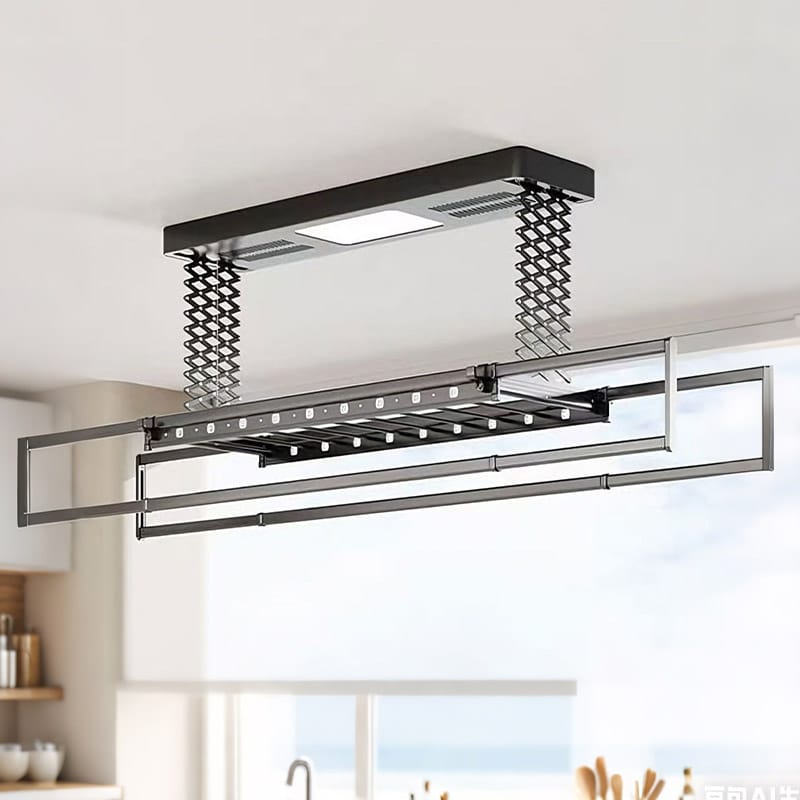
Laundry drying looks simple, but anyone who has dealt with damp towels, crowded rooms, musty smells, or clothes losing shape knows that the drying method matters. Foldable drying rack clothes offer a practical way to air-dry garments while saving space, protecting fabrics, and reducing dependence on powered drying appliances.
A good drying rack is not just a frame with bars. It affects airflow, drying speed, clothing care, room organization, and daily convenience. For homes, apartments, laundry rooms, balconies, bathrooms, and shared living spaces, the right rack can make laundry feel less messy and more controlled.
Air drying has a long history, and the drying rack is widely known by different names, including clothes horse, clothes rack, drying stand, airer, and folding drying rack. A clothes horse is generally used as an alternative to a powered dryer, especially when users want a simple, fabric-friendly, and space-saving drying method.
This guide explains how to choose foldable drying rack clothes based on real user needs, material quality, drying performance, space conditions, and long-term durability.
What Are Foldable Drying Rack Clothes?
Foldable drying rack clothes refer to a collapsible structure used to air-dry garments, towels, underwear, baby clothes, bedding, and delicate fabrics. Unlike fixed drying systems, a foldable rack can be opened when needed and stored after use.
The biggest value is flexibility. You can place it in a laundry room during daily washing, move it near better airflow when clothes are heavy, or fold it away when the drying task is finished. For users who do not want a permanent drying structure taking up visible space, a foldable rack is one of the most practical options.
On the YIHUI drying rack solutions website, the product direction includes automated clothes racks, manual clothes drying racks, and practical laundry drying systems for different home layouts. This makes foldable and space-saving drying solutions especially relevant for users who want both convenience and better space use.
Why More Households Prefer Foldable Drying Rack Clothes
The demand for foldable drying rack clothes is closely connected to modern living habits. Many homes need flexible laundry solutions because drying areas are limited, laundry frequency is higher, and users care more about fabric protection.
Compared with traditional fixed drying methods, foldable racks solve three common problems:
Limited space
Many users do not have a dedicated laundry drying room. A foldable rack can be used only when needed.
Fabric care
High heat can be harsh on some garments. Air drying is gentler for delicate fabrics, knitwear, elastic materials, and clothes that may shrink.
Energy-conscious living
Air drying uses natural evaporation instead of relying fully on powered drying equipment. ENERGY STAR notes that certified clothes dryers use features such as automatic termination and lower heat settings to reduce energy use and avoid over-drying clothes. This also shows why drying control matters for both energy and garment care.
Key Benefits of Using Foldable Drying Rack Clothes
Space Saving
The main reason many users choose foldable drying rack clothes is space efficiency. A rack can be opened during laundry time and folded flat after use. This is useful for bathrooms, balconies, laundry corners, guest rooms, dorm-style spaces, and compact homes.
A foldable rack also helps keep wet clothes organized. Instead of hanging items over doors, chairs, curtain rods, or furniture, you get a dedicated drying area that looks cleaner and works better.
Fabric Protection
Air drying is gentle. It reduces the heat exposure and mechanical tumbling that may affect fabric shape, surface texture, elastic recovery, and color performance over time.
This is especially important for:
Delicate shirts
Knitwear
Sportswear
Baby clothes
Underwear
Towels with decorative edges
Garments with prints or embellishments
Lightweight synthetic fabrics
For clothing that needs careful handling, foldable drying rack clothes provide a safer drying surface and better control.
Energy-Saving Drying
Foldable drying rack clothes do not require electricity when used for natural air drying. This makes them suitable for users who want a low-energy drying method for everyday laundry.
This does not mean powered dryers have no value. Machine drying is fast and convenient, especially for large loads. However, rack drying is a useful daily method for lighter garments, delicate pieces, and laundry that does not need immediate drying.
Flexible Indoor and Outdoor Use
A foldable rack can be used indoors or outdoors depending on the design, material, and weather conditions. Indoors, it should be placed in a ventilated area. Outdoors, it should be made from rust-resistant or coated materials to handle moisture exposure.
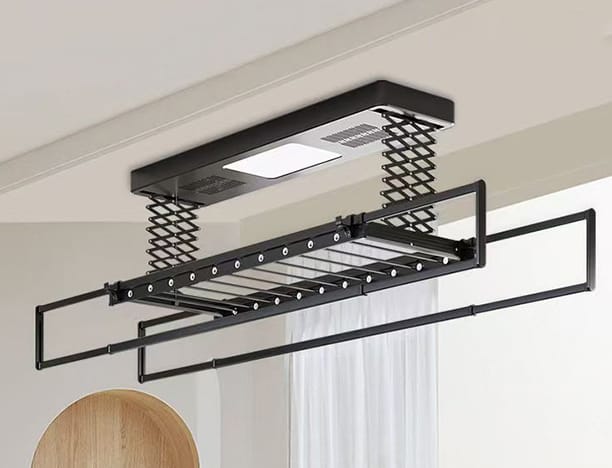
YIHUI also provides related solutions such as hand ceiling drying racks and smart ceiling clothes drying racks, which are useful when users prefer ceiling-mounted drying and want to save floor space.
Main Types of Foldable Drying Rack Clothes
Freestanding Foldable Rack
This is the most common type. It stands on the floor and can be moved easily. It is suitable for daily laundry loads and flexible placement.
Best for:
General home laundry
Towels and shirts
Users who need movable drying space
Rooms with enough floor area
Wall-Mounted Foldable Rack
A wall-mounted rack folds against the wall when not in use. It saves floor space and is suitable for compact laundry rooms, bathrooms, or narrow areas.
Best for:
Small rooms
Fixed drying corners
Light to medium laundry loads
Users who want a neat wall-based solution
Ceiling-Mounted Drying Rack
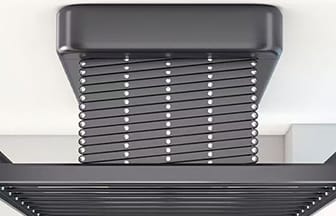
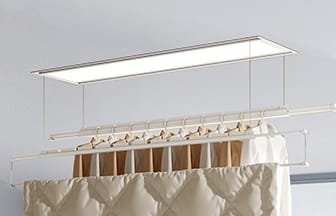
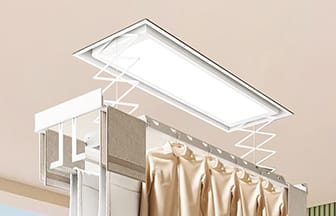
Ceiling-mounted racks use vertical space instead of floor space. Some are manual, while others offer smart lifting or automated functions.
Best for:
Balconies
Laundry rooms
Users who want clear floor space
Households with regular laundry needs
Multi-Tier Foldable Rack
A multi-tier rack provides more drying bars in a vertical structure. It is useful for large laundry loads but requires careful spacing to maintain airflow.
Best for:
Families
Frequent laundry
Small garments
Users who need higher drying capacity
Portable Compact Rack
A compact rack is lightweight and easy to move. It may not hold heavy laundry, but it works well for small daily loads.
Best for:
Single users
Travel-style storage needs
Delicate garments
Small bathrooms or corners
How to Choose the Right Foldable Drying Rack Clothes
Choosing the right rack is not only about size. You should evaluate how the rack performs in real use.
Available Space
Measure where the rack will be used when fully opened, not only where it will be stored. A rack that looks compact when folded may still need a wide drying area when expanded.
Consider:
Floor width
Walking space
Door opening direction
Distance from walls
Ventilation access
Storage location after folding
If floor space is limited, a wall-mounted or ceiling-mounted solution may work better than a large freestanding rack.
Laundry Volume
Think about how much laundry you usually dry at one time. A small rack may be fine for shirts and underwear, but towels, bedding, and heavier garments need stronger support and wider spacing.
A good rule is to choose a rack that gives clothes enough room to breathe. Overloading the rack slows drying and may create damp spots.
Material Quality
Material affects durability, rust resistance, weight, and stability. Stainless steel, aluminum, coated metal, and reinforced plastic are common options.
The best choice depends on where the rack will be used. For humid areas, rust resistance is especially important. For portable use, lightweight construction may matter more.
Load Capacity
Load capacity should match your laundry habits. Wet clothes are heavier than dry clothes, especially towels, jeans, hoodies, and bedding.
A rack with weak joints or thin bars may bend over time. Stronger frames, reinforced hinges, stable legs, and quality connectors improve safety and lifespan.
Folding Structure
A foldable rack should open and close smoothly. If the folding structure feels unstable, stiff, or loose, daily use becomes frustrating.
Check whether:
The hinge points are reinforced
The rack folds flat enough for storage
The legs lock securely
The structure stays stable when loaded
The bars are spaced well for airflow
Stability and Safety
Stability is important in homes with children, elderly users, or pets. The rack should not tip easily when clothes are placed unevenly.
Wide support legs, balanced frame design, anti-slip feet, and smooth edges all improve safety.
Material Comparison for Foldable Drying Rack Clothes
| Material Type | Main Advantage | Possible Limitation | Best Use Scenario |
|---|---|---|---|
| Stainless steel | Strong, durable, good rust resistance | Heavier than some materials | Long-term indoor and semi-outdoor use |
| Aluminum | Lightweight and easy to move | May feel less heavy-duty for bulky loads | Portable racks and light daily laundry |
| Coated metal | Balanced strength and practical appearance | Coating quality affects rust resistance | General home drying |
| Reinforced plastic | Lightweight and easy to handle | Lower load capacity than metal | Small garments and compact spaces |
| Mixed-material frame | Combines strength and flexibility | Quality depends on joint design | Multi-purpose household use |
A practical drying rack does not need to be complicated, but it must match the drying environment. For example, a compact indoor rack needs smooth folding and stable feet, while a balcony rack should focus more on corrosion resistance and structure strength.
Best Placement for Faster and Safer Air Drying
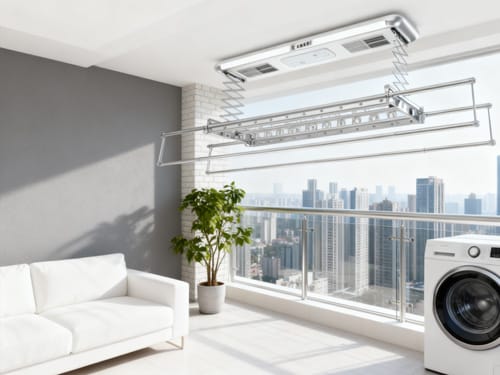
Where you place foldable drying rack clothes can change drying performance more than many people expect.
Good placement allows moisture to leave the fabric surface quickly. Poor placement traps damp air around clothes and slows evaporation.
Better placement tips:
Keep the rack away from cold walls
Leave space between garments
Place thicker items on outer bars
Use wider spacing for towels and hoodies
Avoid blocking room airflow
Move the rack closer to natural ventilation when practical
Do not overload one side of the rack
Indoor drying should also consider moisture control. The EPA guide on mold and moisture explains that reducing humidity and increasing ventilation or air movement can help prevent condensation and moisture-related issues indoors.
This is why foldable drying rack clothes should not be treated as simple storage frames. They work best when combined with smart spacing, airflow, and room ventilation.
Indoor Drying Tips to Reduce Moisture and Odor
Indoor drying is convenient, but it needs good habits. Musty odors usually happen when clothes stay damp too long or are packed too tightly together.
Use these practical methods:
Spin clothes properly before hanging
Shake garments before placing them on the rack
Hang shirts with gaps between them
Place heavy clothes on outer bars
Turn thick garments halfway through drying
Avoid drying too many large items at once
Keep the room ventilated
Wipe the rack after use if moisture remains
For indoor drying, airflow is often more important than heat. Clothes dry better when moisture can move away from the fabric. A room with gentle air movement is usually better than a closed, damp corner.
Foldable Drying Rack Clothes vs Machine Drying
Foldable drying rack clothes and machine dryers serve different needs. One is not always better than the other. The right choice depends on garment type, drying speed, space, and daily routine.
| Comparison Point | Foldable Drying Rack Clothes | Machine Drying |
| Energy use | No electricity for natural air drying | Requires powered operation |
| Fabric care | Gentle on delicate clothes | Fast but may be harsher on some fabrics |
| Drying speed | Depends on airflow and humidity | Usually faster |
| Space use | Can fold and store after use | Requires fixed appliance space |
| Noise | Silent | Produces operating noise |
| Best for | Delicates, daily garments, light laundry | Large urgent loads and bulky items |
| Control | Easy to separate fabrics by type | Depends on machine settings |
For many users, the best solution is not choosing only one method. A foldable rack can handle delicate and daily items, while powered drying can be reserved for urgent or heavy loads.
Maintenance Tips for Long-Term Use
A foldable drying rack lasts longer when it is cleaned and stored properly.
Practical maintenance tips:
Wipe the frame after drying wet clothes
Keep hinges free from detergent residue
Avoid leaving metal racks in constant moisture
Do not exceed the recommended load
Fold the rack gently instead of forcing it
Store it in a dry area
Check screws, joints, and feet regularly
Clean drying bars to prevent marks on light fabrics
If a rack begins to wobble, inspect the joints before placing heavy laundry on it. Small maintenance steps can prevent bending, rust, and instability.
Common Buying Mistakes to Avoid
Many users choose a drying rack based only on appearance. That can lead to poor drying performance or short product life.
Avoid these common mistakes:
Buying a rack that is too small for normal laundry loads
Ignoring the full open size
Choosing weak joints for heavy towels
Using indoor-only materials in damp outdoor areas
Overlooking bar spacing
Forgetting storage space
Assuming all foldable racks have the same stability
Choosing capacity without considering airflow
A rack with more bars is not always better. If the spacing is too tight, clothes may dry slowly. Good design balances capacity and airflow.
Who Should Use Foldable Drying Rack Clothes?
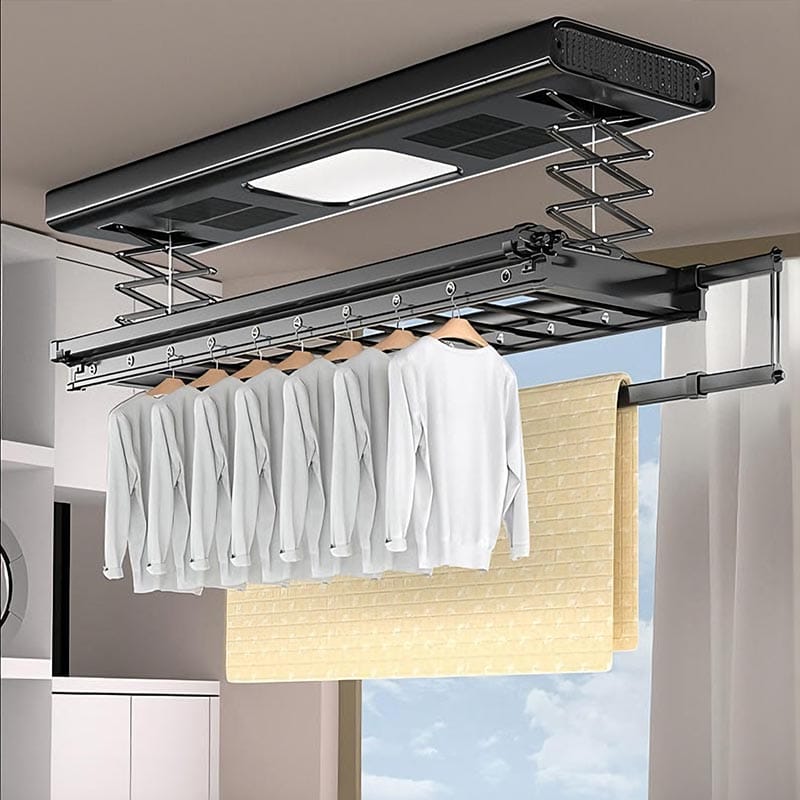
Foldable drying rack clothes are suitable for many types of users.
They are especially useful for:
People with limited drying space
Households that wash small loads often
Users who want gentle fabric care
Anyone drying delicate garments
Families needing extra drying capacity
Renters who cannot install permanent fixtures
Users who want a quiet drying method
Homeowners looking for a flexible laundry solution
Distributors or project buyers sourcing practical drying products
For B2B buyers, the product value is also clear. Foldable racks are easy to understand, easy to demonstrate, and widely applicable across different home layouts. When paired with stable structure, rust-resistant material, and practical packaging, they can serve both retail and project-based demand.
YIHUI’s OEM and ODM drying rack services can support buyers who need product customization, supply cooperation, or drying rack solutions designed for specific market channels.
Conclusion
Foldable drying rack clothes are a smart solution for better air drying, especially when space, fabric care, and daily convenience matter. A well-designed rack helps organize laundry, improve airflow, reduce unnecessary heat exposure, and make drying more flexible.
The best choice depends on your space, laundry volume, material preference, and drying habits. Instead of choosing only by size or appearance, focus on structure, stability, bar spacing, load capacity, and ventilation-friendly design.
For users who want a more efficient laundry routine, foldable drying rack clothes offer a simple but valuable upgrade. For business buyers, they also represent a practical home product category with strong everyday demand and clear user benefits.
FAQ
What are foldable drying rack clothes?
Foldable drying rack clothes are collapsible laundry racks used to air-dry garments naturally. They save space, protect fabrics from high heat, and can be folded away after use, making them practical for homes, apartments, laundry rooms, and balconies.
Are foldable drying rack clothes good for indoor drying?
Yes. They are suitable for indoor drying when placed in a well-ventilated area. For better results, leave space between garments, avoid overloading the rack, and keep the rack away from damp corners or cold walls.
Can foldable drying rack clothes protect delicate fabrics?
Yes. Air drying is gentler than high-heat drying, so foldable racks are useful for knitwear, underwear, baby clothes, sportswear, and garments with prints or elastic fibers. They help reduce shrinkage, heat stress, and fabric wear.
What material is best for foldable drying rack clothes?
Stainless steel is strong and rust-resistant, aluminum is lightweight, coated metal offers balanced durability, and reinforced plastic works for light use. The best choice depends on load capacity, indoor or outdoor use, and storage needs.
How do I make clothes dry faster on a foldable rack?
Spin clothes well before hanging, shake them open, leave enough spacing, place thicker items on outer bars, and use good airflow. A ventilated room helps moisture move away from fabrics faster and reduces musty smells.