Table of Contents
Introduction
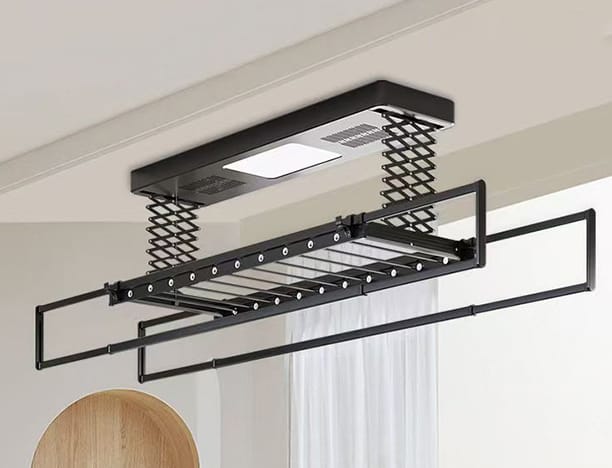
Choosing the right drying method can significantly affect your daily routine, energy costs, and clothing lifespan. As more households look for efficient and convenient solutions, the electric clothes rack has become a popular alternative to traditional drying methods. But which option is truly better for your needs?
This article compares an electric clothes rack with traditional drying to help you make an informed decision based on performance, efficiency, and practicality.
What Is an Electric Clothes Rack and How It Works
An electric clothes rack is a drying system that combines a structured rack with built-in heating or airflow technology. Unlike standard air-drying racks, it accelerates moisture evaporation by providing controlled heat or warm airflow, resulting in faster drying times.
Most electric drying rack models are designed for indoor use and include features such as temperature control, timers, and safety protection systems.
What Is Traditional Drying
Traditional drying refers to air-drying clothes without any electrical assistance. This method relies entirely on natural airflow and environmental conditions. Clothes are typically hung on racks, lines, or hangers and left to dry over time.
While traditional drying requires no electricity, its effectiveness depends on factors such as humidity, airflow, and available space.
Key Differences Between Electric Clothes Rack and Traditional Drying
| Feature | Electric Clothes Rack | Traditional Drying |
|---|---|---|
| Drying Speed | Fast | Slow |
| Energy Use | Moderate | None |
| Fabric Protection | Gentle with control | Very gentle |
| Weather Dependence | Low | High |
| Space Efficiency | High | Medium |
| Convenience | High | Moderate |
An electric clothes rack offers faster and more predictable drying, while traditional drying is energy-free but less consistent.
Drying Speed and Efficiency Comparison
Drying speed is one of the most noticeable differences. An electric clothes rack significantly reduces drying time by applying controlled heat, making it suitable for busy lifestyles.
Traditional drying, on the other hand, may take several hours or longer, especially in environments with low airflow or high humidity. This makes it less reliable for time-sensitive laundry needs.
Energy Consumption and Cost Considerations
An electric clothes rack consumes electricity, but it is generally more energy-efficient than traditional tumble dryers. According to data from appliance efficiency reports, low-heat drying systems typically use less power compared to high-heat drum dryers.
Traditional drying has no direct energy cost, making it the most economical option. However, it may require more time and effort, which can impact daily convenience.
Fabric Care and Clothing Longevity
Both methods are relatively gentle compared to high-heat dryers, but there are differences. An electric clothes rack provides controlled drying conditions, which can help reduce overexposure to moisture and prevent odors.
Traditional drying is considered the gentlest method since it involves no heat, but uneven drying or prolonged dampness may affect certain fabrics if airflow is insufficient.
Space and Convenience Factors
An electric clothes rack is designed for efficient indoor use, often with foldable or compact structures. It allows you to dry clothes in a controlled environment regardless of weather conditions.
Traditional drying may require larger space or outdoor access, which is not always practical in modern living environments. Indoor air-drying without assistance can also take up more time and space.
Best Use Scenarios for Each Option
An electric clothes rack is ideal for:
- Indoor drying in limited space
- Fast drying when time is limited
- Consistent performance regardless of weather
Traditional drying is ideal for:
- Reducing energy consumption completely
- Drying delicate fabrics
- Situations where time is not a concern
Maintenance and Durability
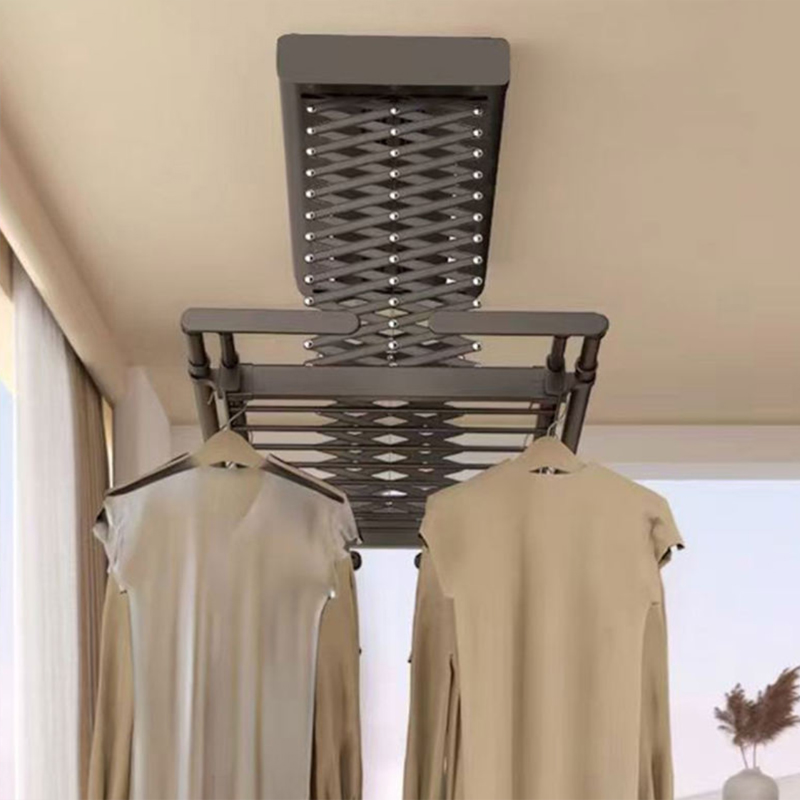
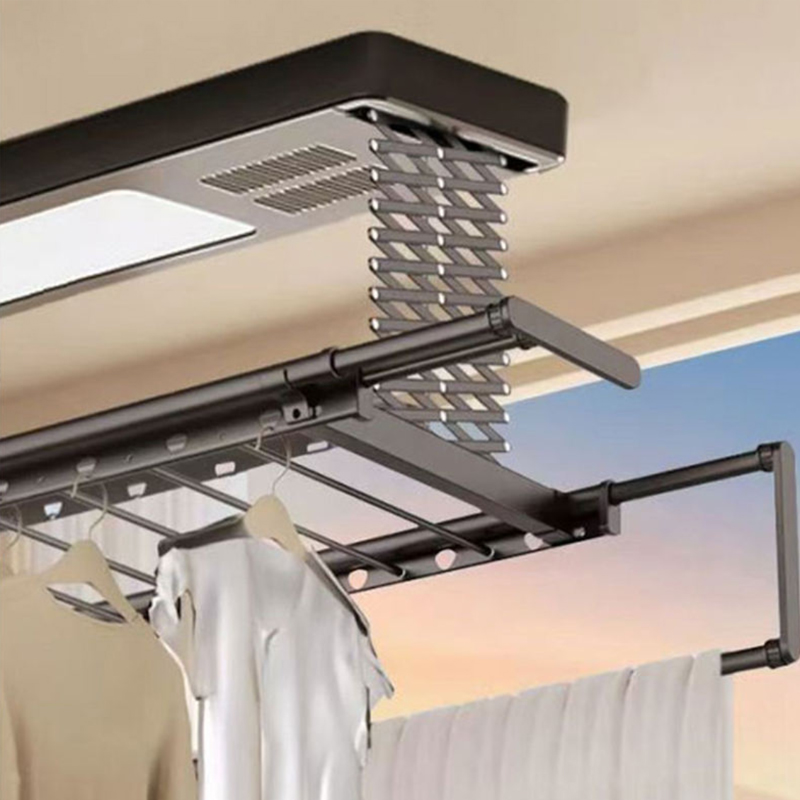
Maintaining an electric clothes rack involves keeping it clean, avoiding overload, and occasionally checking electrical components. With proper care, it can provide long-term reliability.
Traditional drying systems require minimal maintenance but may need more manual effort in setup and garment management.
Conclusion
Both an electric clothes rack and traditional drying methods have their advantages. If your priority is speed, convenience, and consistent indoor performance, an electric clothes rack is the better choice. If energy savings and simplicity are more important, traditional drying remains a reliable option.
In many cases, combining both methods can provide the best balance between efficiency and sustainability.
FAQ
What is an electric clothes rack?
An electric clothes rack is a drying solution that combines a traditional rack structure with built-in heating or airflow systems to speed up the drying process. It provides controlled conditions that allow clothes to dry more evenly and efficiently, making it suitable for indoor use in various environments.
Is it more efficient than traditional drying?
Yes, an electric clothes rack is generally more efficient than traditional air-drying because it uses heat or airflow to accelerate moisture evaporation. It delivers more consistent results, especially in humid or low-airflow conditions, making it ideal for daily laundry routines.
Does it use a lot of electricity?
No, most electric clothes racks are designed to be energy-efficient and consume less power than traditional tumble dryers. Many models include adjustable temperature settings and timers, allowing users to control energy usage based on laundry load and drying needs.
Is traditional drying better for clothes?
Traditional drying is very gentle on fabrics because it uses no heat, which helps preserve fibers over time. However, it can be slower and less consistent, especially in environments with limited airflow, which may affect drying quality for certain materials.
Which option is better for small spaces?
An electric clothes rack is typically better for small spaces because it offers compact design and faster drying in indoor environments. Its foldable or vertical structure helps maximize space efficiency while maintaining effective drying performance.
Need Help Choosing the Right Electric Clothes Rack?
If you’re unsure which electric clothes rack best fits your home space, laundry volume, and efficiency needs, our experts are here to help. Contact us today for a personalized consultation and discover a smarter, faster, and more efficient way to handle your laundry. Don’t wait—upgrade your drying solution now!