Table of Contents
When you first considered upgrading your laundry setup, you probably thought about efficiency, space utilization, and durability. As a manufacturer specializing in high‑quality drying solutions, we’ve seen a dramatic shift in customer preference toward ceiling hung clothes drying racks—a design that not only maximizes space but also enhances user convenience and long‑term reliability. In this article, you’ll get a comprehensive exploration of why ceiling hung racks are rising in popularity, how to select the right one for your space, real‑world performance insights, installation techniques, and long‑term maintenance strategies.
What Is a Ceiling Hung Clothes Drying Rack?
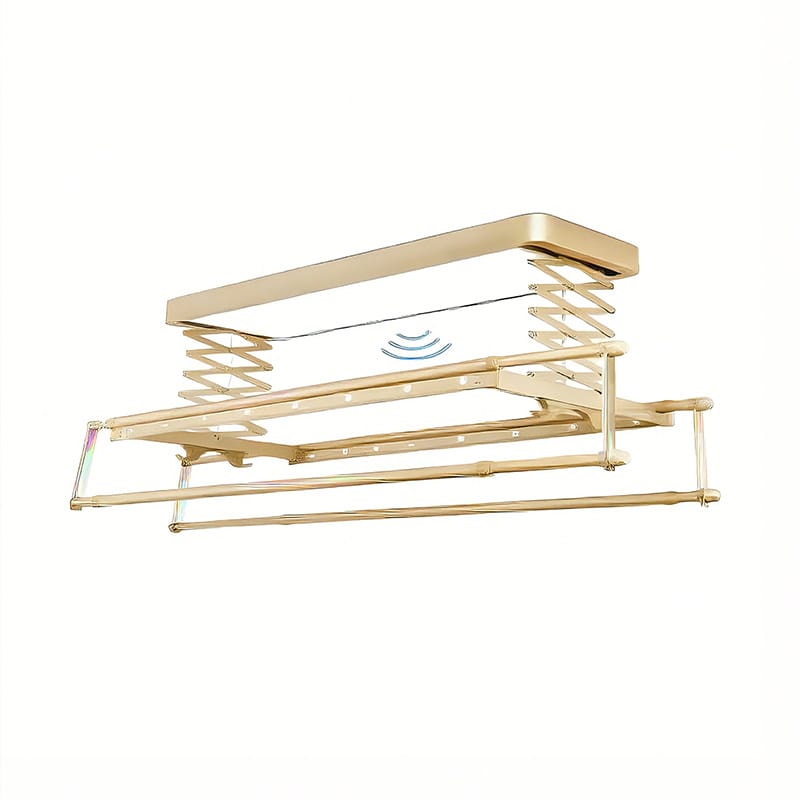
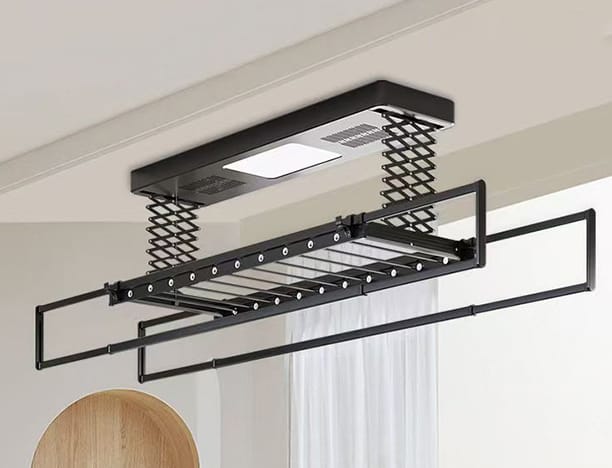
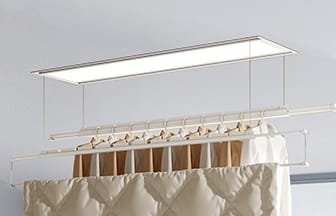
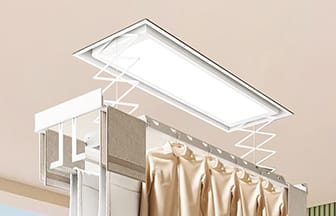
A ceiling hung clothes drying rack is a suspended drying solution that mounts directly to your ceiling structure. Unlike floor‑standing racks or free‑standing units, ceiling hung models free up floor space and take advantage of vertical room volume, making them ideal for modern homes, compact apartments, and high‑usage laundry areas.
Unlike simple rods or pulley systems, the most advanced units integrate motorized lifts, remote controls, and even sterilization technologies. These enhancements make them especially relevant in regions with limited floor space or environments where maximizing utility is essential.
For a general overview of drying racks and airers, you can check the Wikipedia entry on clothes airers.
Why Customers Are Choosing Ceiling Hung Clothes Drying Rack
There’s a growing trend among homeowners and facility managers: moving away from traditional drying methods toward more intelligent solutions. Below are the key drivers:
1. Space Optimization
In smaller homes or apartments, every square foot counts. Ceiling hung racks free up floor space entirely, allowing other furniture or daily activities without clutter.
2. Health and Hygiene
With features like built‑in airflow or optional UV sterilization, some ceiling hung racks enhance cleanliness. Airflow systems help reduce drying time, which in turn reduces mold and bacterial growth on fabrics.
3. Energy Efficiency
Compared to electric tumble dryers, ceiling hung systems require no heating element and thus consume no electricity during drying—except for the motor on automated models. This drastically reduces long‑term energy costs.
4. Safety and Stability
Well‑engineered ceiling mounted systems distribute the weight of wet laundry evenly and securely, making them safer than unstable floor racks, which can tip over and cause hazards.
According to research by Energy Saving Trust, air drying can save significant energy compared to machine drying.
Anatomy of a Ceiling Hung Clothes Drying Rack
To appreciate what makes these racks effective, it’s important to understand their main components:
| Part | Function |
|---|---|
| Ceiling Mounting Brackets | Provide secure attachment to ceiling joists or beams |
| Support Rods / Rails | Structural elements that hold clothes spread across racks |
| Motor / Pulley Mechanism | Enables automated lifting and lowering (for electric models) |
| Remote Control / App | Provides user convenience for adjusting rack height remotely |
| Drip Tray / Catch Pan | Optional component to collect water from wet laundry |
An in‑depth explanation of lifting mechanisms is discussed in this engineering guide on pulley systems.
Case Study: Maximizing Space in Compact Apartments
To illustrate the impact of choosing the right drying solution, consider this real‑world scenario:
Client Profile
- Urban apartment with a floor space of 65 square meters
- Two adults and occasional guest laundry
- Limited balcony space due to building design constraints
Solution
The client replaced an old floor rack with a ceiling hung drying rack for laundry, using a motorized unit with remote control. This allowed them to:
- Recover ~1.2 square meters of usable floor space
- Dry more laundry per cycle with improved airflow
- Reduce drying time by approximately 30% compared to the old rack
Outcome
The client reported a noticeable improvement in convenience and overall quality of life, as the drying rack no longer interfered with daily activities and provided better performance than a standard floor rack.
How to Select the Right Ceiling Hung Clothes Drying Rack
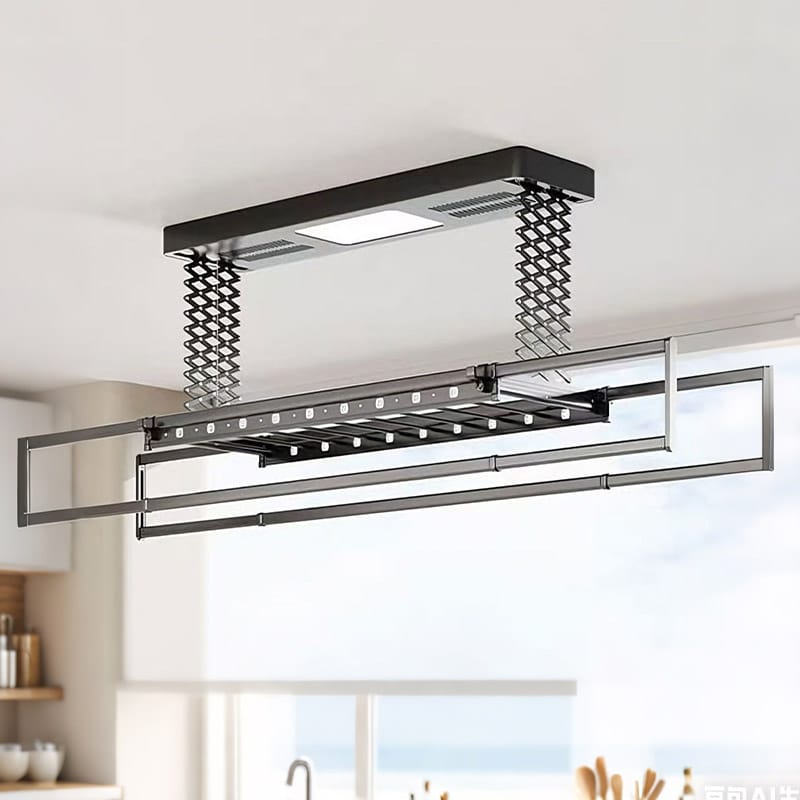
Choosing the right model depends on several key factors. Here’s how to evaluate what’s best for your needs:
1. Load Capacity
Evaluate the maximum weight your drying rack must support. Commercial‑grade ceiling hung racks can handle heavier loads (often 30–50 kg or more), while residential models typically support 15–30 kg.
2. Ceiling Structure
Ensure your ceiling joists or beams can support the system. Drywall alone may need reinforcement; structural studs are ideal. If you’re unsure, consult a professional installer to avoid safety risks.
3. Manual vs. Motorized Lift
- Manual pulley systems are cost‑effective and highly reliable.
- Motorized ceiling hung drying racks add comfort with remote control and automated lifting, especially useful in high ceilings.
4. Additional Features
Consider optional perks such as:
- Timers and programmable drying cycles
- UV sterilization modules
- Integrated lighting
- App control
Here is a concise comparison table of feature sets:
| Feature Category | Manual Pulley Rack | Motorized Ceiling Hung Rack |
|---|---|---|
| Ease of Use | Moderate | High |
| Installation Complexity | Medium | Medium to High |
| Energy Consumption | None | Low (motor only) |
| Automation/Remote Control | No | Yes |
| Sterilization Options | Rare | Often available |
Step‑by‑Step Installation Guide
Proper installation is fundamental to safe and reliable performance. Below is a recommended approach:
Step 1: Identify Ceiling Support
Locate ceiling joists or reinforced beams using a stud finder. Do not mount directly to drywall plaster without reinforcement.
Step 2: Mark Mounting Points
Use a level to mark accurate placement for all mounting brackets.
Step 3: Secure Mounting Brackets
Drill pilot holes and secure heavy‑duty screws or anchors into the structural support.
Step 4: Attach the Rack Mechanism
Depending on the model, you may install:
- Support rails
- Pulley system
- Electric motor and wiring
Step 5: Test Movement
Before hanging clothes, test the up/down movement several times to ensure smooth operation.
For electrical motor systems, always follow the manufacturer’s wiring instructions and consider hiring a licensed electrician.
Maintenance Tips for Long‑Term Reliability
A well‑maintained ceiling hung drying rack will last many years. Here’s a practical maintenance checklist:
- Quarterly Cleaning: Wipe down rails with a damp cloth to remove dust and detergent residue.
- Lubrication: Apply silicone lubricant to moving parts annually.
- Check Fasteners: Inspect screws and anchors yearly to ensure they remain tight.
- Motor Care: For electric models, keep the motor area free of lint and moisture.
These maintenance routines help prevent wear and ensure consistent performance.
Comparison with Traditional Drying Methods
Here’s a data‑driven comparison of ceiling hung drying racks versus other common solutions:
| Feature | Ceiling Hung Clothes Drying Rack | Floor Drying Rack | Tumble Dryer |
|---|---|---|---|
| Space Efficiency | Very High | Low | Moderate |
| Flexibility | High | Moderate | Low |
| Energy Usage | Very Low | None | High |
| Installation | Moderate | Easy | Fixed |
| Maintenance | Low–Moderate | Low | High |
| Fabric Care | Gentle | Gentle | Moderate |
| Drying Speed | Moderate | Slow | Fast |
This comparison highlights why a ceiling hung clothes drying rack remains one of the most practical and energy‑efficient solutions for many users.
Real Data and Insights
A 2024 consumer study on home laundry habits revealed that 72% of respondents prioritized space saving as their top laundry feature, followed by durability and hygiene. These preferences align well with the advantages of ceiling‑mounted drying solutions.
Final Thoughts
As a manufacturer with deep experience in drying solutions, we’ve seen ceiling hung clothes drying racks transition from a niche product to a mainstream choice for modern laundry management. By combining space efficiency, durability, and advanced features, they deliver real value for homes and facilities alike.
If you’re ready to transform your laundry area and enjoy the convenience and performance benefits described above, exploring a high‑quality ceiling hung rack is one of the smartest investments you can make.
FAQ
What makes a ceiling hung clothes drying rack different from other racks?
A ceiling hung clothes drying rack is attached overhead, freeing up floor space and often offering more capacity than floor racks. Automated systems add remote control and motorized lifting.
Can I install a ceiling hung drying rack in any room?
Yes, provided the ceiling has sufficient structural support. For drywall ceilings without beams, reinforcement is necessary before installation.
Do ceiling hung racks work in humid environments?
Yes. Enhanced airflow and UV sterilization options improve drying efficiency and reduce mold or mildew risks in humid conditions.
How long do these systems typically last?
With proper installation and routine maintenance, a quality ceiling hung drying rack can last 8–15 years or more, depending on usage and environmental conditions.
Are motorized systems worth the investment?
For many users, especially in high ceilings or busy households, the convenience, safety, and efficiency gains justify the cost premium over manual pulley systems.