Table of Contents
An automatic hanging rack purchase should begin with the actual laundry routine and room constraints. A retail team should photograph the supplied controls and annotate each button with its confirmed function. This guide helps buyers, distributors and project teams evaluate the automatic hanging rack through room fit, a representative sample and written acceptance criteria. Use the current configuration and instructions for any final product decision.
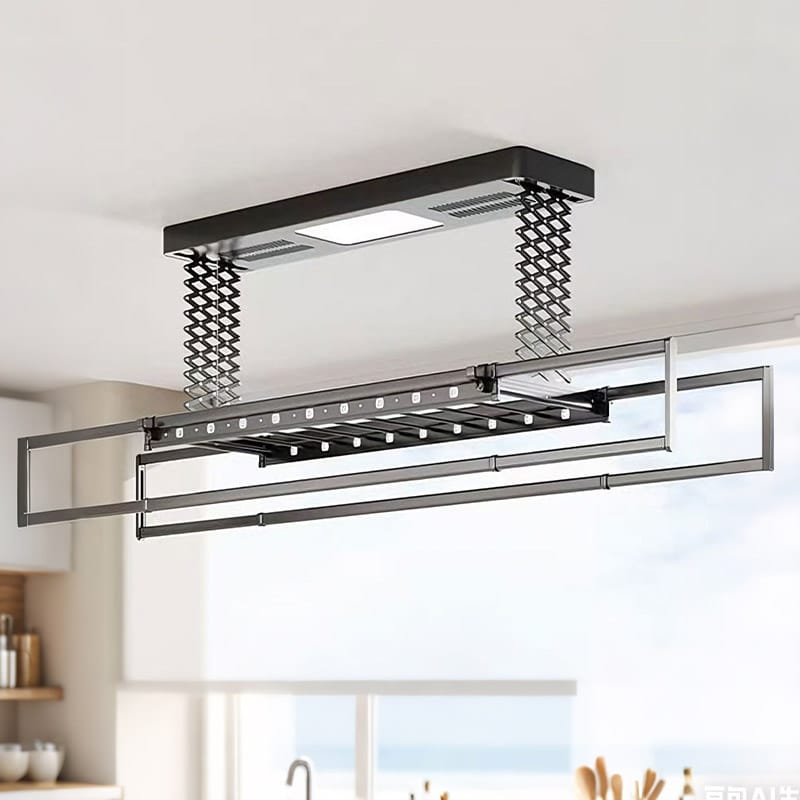
Control Labels for Retail Launch in practice
A retail team should photograph the supplied controls and annotate each button with its confirmed function. If a remote includes a drying symbol on a lighting-only configuration, explain the behavior before creating product images. Run a staff exercise in which one person follows only the quick-start card. Record every point where they have to guess. Revise the card with the supplier so the launch material reflects the actual rack rather than a generic family of products.
The decision for this automatic hanging rack should be recorded against three specific points: buttons match fitted functions; translated quick-start illustrations; visible stop-command explanation. Keep the observation, the document reference and the person responsible for resolving any exception together. This turns a broad product enquiry into a review that another buyer or installer can follow.
Automatic Hanging Rack: make the control labels match the supplied functions
The controls on an automatic hanging rack should describe only functions present in that configuration. A generic remote may include symbols for features that have not been ordered. Ask the supplier to identify inactive buttons and explain their behavior. Translate the instructions for the destination market and use consistent names across the carton, manual and product listing.
Evaluate an automatic hanging rack with the intended user holding a laundry basket and then with both hands free. Can they distinguish lift, lower and stop? Does an indicator mean a function is enabled or merely that a button was pressed? Record these questions as part of acceptance. Clear controls reduce avoidable calls and help distributors describe the product accurately without promising capabilities from a different model.
Document pairing and controller replacement
An automatic hanging rack needs a recoverable setup process. Ask for the exact pairing sequence, the indication of successful pairing and the method for removing an old controller. Confirm whether the procedure belongs to the current receiver revision. Dealers should be able to identify a compatible replacement from the model label rather than relying on the appearance of a remote.
Keep the instructions for an automatic hanging rack with its order record and customer handover material. During sample evaluation, have a second staff member follow the written steps without coaching from the demonstrator. If the process depends on undocumented timing or an unlabeled button, request clearer instructions before launch. This small exercise can reveal support problems that a polished product demonstration conceals.
Specify a realistic wet load
Assess the automatic hanging rack with the mass of washed laundry rather than the dry weight on a shopping label. Water retained after spinning varies by fabric and programme. Weigh a representative load in a suitable container and subtract the container weight. Keep the garment mix with the measurement so the result can be repeated.
For the automatic hanging rack, compare that observation with the manufacturer's limit and any conditions on distribution. Include hangers or other accessories if the instructions require them to be counted. Do not infer an allowance for overloading from a successful short demonstration. Where the planned routine exceeds the documented limit, divide the load or select a supported alternative before placing an order.
Review packaging around vulnerable components
Packaging for the automatic hanging rack should protect long rails, projecting arms, finish surfaces and small accessories during the intended journey. Examine a packed sample for movement and contact between parts. Ask the supplier which transit checks have been performed and whether they cover the current pack design and distribution route.
For the automatic hanging rack, agree how transport damage will be documented at receipt. Photograph the unopened carton, identification and internal protection before discarding packing. Keep damage patterns separate from manufacturing defects. A crushed corner, a loose component and a missing accessory require different corrective actions even if all three appear as a return in the sales system.
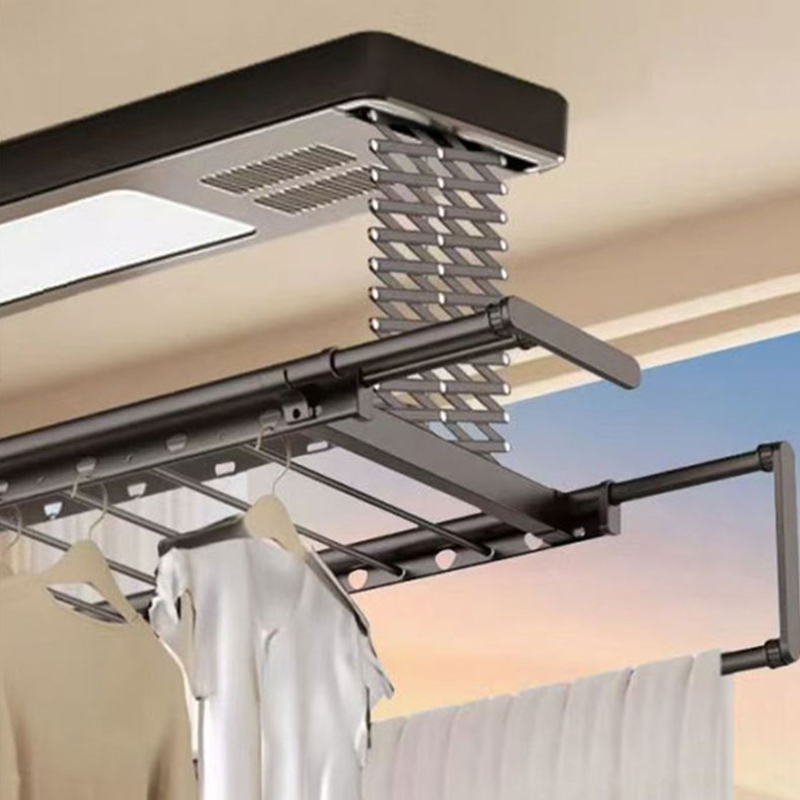
Treat noise as a repeatable observation
Noise from an automatic hanging rack can come from the drive, the rails, loose hangers or the surrounding structure. Evaluate it after correct installation and distinguish lifting noise from any fan operation. A loose fixing or contact with a cabinet can make an otherwise acceptable sample sound quite different.
If noise matters in the sales brief for an automatic hanging rack, agree a measurement method, distance, room condition and background level. Keep a recording for diagnosis, but do not convert a phone app reading into a laboratory specification. Compare like operating states and ask the supplier about any change from the normal sound. A new click, scrape or vibration is a service signal even when no numerical noise limit has been agreed.
Record room conditions during a drying trial
A drying trial for an automatic hanging rack needs a simple log. Record room temperature and humidity, the garment mix, how the laundry was spun, the spacing on the rails and any fitted drying function used. Check all samples by the same completion method. Results from a warm ventilated room cannot be directly compared with those from a closed damp balcony.
For an automatic hanging rack, repeat the trial under conditions representative of customer use. Include an ordinary mixed load rather than only thin demonstration fabric. Keep the findings as observations of that setup, with the date and configuration. If the business later uses a drying-time claim, its wording should remain within what the recorded trial can support.
Build a cost comparison from your own assumptions
Compare the automatic hanging rack using a short cost sheet: purchase price, inbound freight, installation or assembly, expected support activity and planned spare stock. Add only assumptions your business can explain. Use the same order quantity and delivered scope for each offer, and identify excluded taxes or charges where relevant.
The automatic hanging rack comparison should show which inputs are confirmed and which remain estimates. Avoid invented return rates or payback periods. If one option costs more because it includes a controller or better packaging, show that scope difference directly. A transparent range is more useful than a precise total built from unsupported assumptions.
Keep marketing claims within the available evidence
Describe the automatic hanging rack with confirmed features and clear limitations. Avoid universal claims about drying time, energy savings, health effects or suitability for all users. If a performance figure is important, request the test method, conditions and model coverage before putting it into a public listing.
An automatic hanging rack can be marketed effectively through useful dimensions, a clear demonstration and an honest explanation of the routine it supports. Those details help buyers decide whether it fits their room and garments. Ask the supplier to clarify inconsistent catalogue information rather than copying it into another article where the uncertainty becomes harder to trace.
Decision checklist and comparison
Use the following comparison for the automatic hanging rack evaluation. The alternatives describe evidence quality, not a claim that one brand always performs better. Resolve missing information before accepting an equivalent product or releasing the batch.
| Approach | When it may fit | Confirm before choosing |
|---|---|---|
| Handheld local control | Routine operation within view of the rack | Compatible receiver, supported functions and pairing instructions |
| Wall control | A consistent operating location near the loading area | Installation requirements and the supplied control version |
| Phone interface, if offered | A buyer who needs the confirmed connected functions | Supported app, account requirements and offline behavior |
Product configuration to discuss
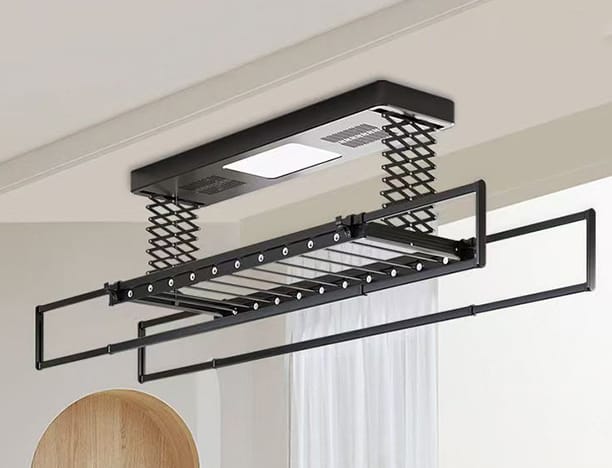
For a relevant starting point, review YIHUI Electric Cloth Hanger 8818 with YIHUI. Treat the listed product as a candidate for the automatic hanging rack brief and confirm the current drawing, included controls, finish and installation or assembly requirements. Product-family photographs do not establish that every option is supplied together.
Compare the relevant YIHUI product category and ask about configuration and supply services. Keep requested features separate from those already confirmed for the selected model.
Independent reading
For independent background, read Wikipedia overview of drying-rack designs. Use this background to understand the names used for different rack arrangements. Confirm specifications from the supplier rather than treating a general overview as a model test.
Request a configuration review
Send YIHUI your automatic hanging rack brief with the intended market, room or storage dimensions, routine laundry type and planned order quantity. Include buttons match fitted functions as a specific review item. Ask for a configuration proposal and sample plan before committing to a bulk order. Use the enquiry form below or the contact page to start the discussion.
Frequently asked questions
What should I check first for an automatic hanging rack?
Begin with buttons match fitted functions. Match it to the actual room or sales brief, then confirm the current configuration and instructions. A sample should demonstrate the feature that determines your purchase decision.
Which documents should accompany an automatic hanging rack quote?
Request a current drawing, feature list, packing list and installation or assembly instructions. For this brief, also document translated quick-start illustrations. Ask the supplier to identify options and any unresolved differences.
How should I evaluate an automatic hanging rack sample?
Use the intended garments, hangers and room or display conditions. Record the setup and observations so another person can repeat the review. Include visible stop-command explanation in the acceptance record.
Can a similar-looking automatic hanging rack be substituted?
Review the supplied revision, dimensions, components and instructions before approving a substitute. Similar appearance does not establish compatible controls, an equivalent mechanism or the same permitted loading conditions.
What information helps YIHUI review my automatic hanging rack enquiry?
Supply the destination market, quantity, intended use, useful dimensions and required functions. State that the main topic is control labels for retail launch and include photographs or a sketch where these clarify the practical constraint.