Table of Contents
An auto clothes rack purchase should begin with the actual laundry routine and room constraints. A dealer supporting several revisions should organise spare stock by supplier part number and model coverage. This guide helps buyers, distributors and project teams evaluate the auto clothes rack through room fit, a representative sample and written acceptance criteria. Use the current configuration and instructions for any final product decision.
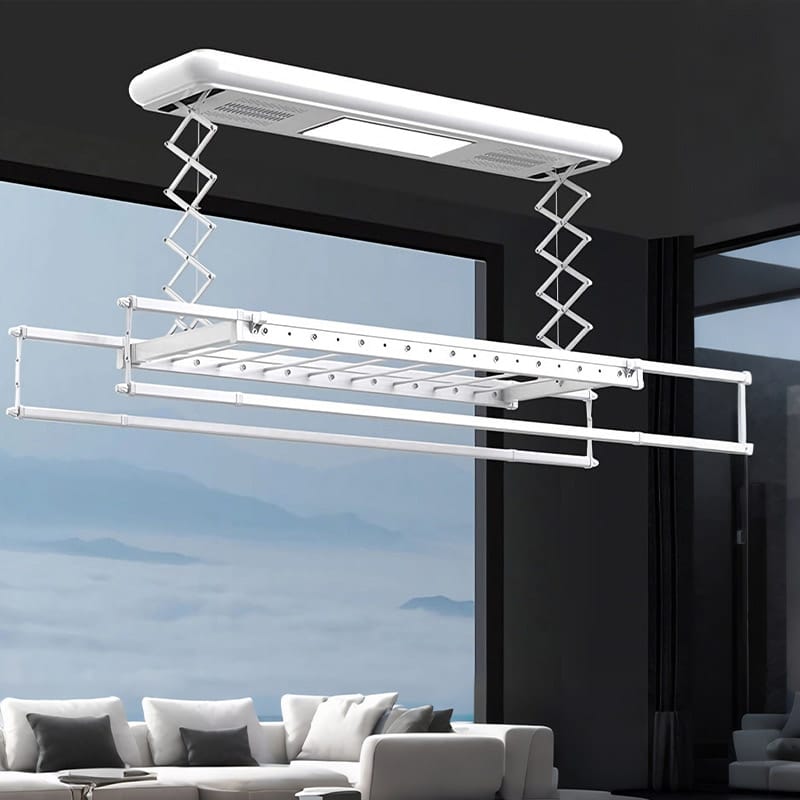
Spare Parts for Dealer Support in practice
A dealer supporting several revisions should organise spare stock by supplier part number and model coverage. Keep controllers, receivers and mechanical parts in labelled locations, and connect each customer order to the correct revision. Ask the supplier which parts may be replaced locally and what qualifications or procedures apply. Build the stock plan from the actual installed base and agreed availability. Visual similarity alone should never determine which replacement is sent.
The decision for this auto clothes rack should be recorded against three specific points: parts mapped to supplied revisions; permitted field replacement identified; availability terms confirmed. Keep the observation, the document reference and the person responsible for resolving any exception together. This turns a broad product enquiry into a review that another buyer or installer can follow.
Auto Clothes Rack: identify parts before a failure occurs
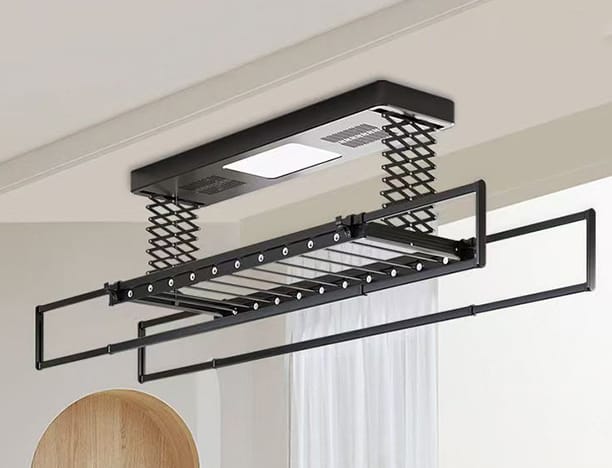
Support an auto clothes rack with a parts map showing the controller, receiver, rail assembly, cables and other serviceable items applicable to the chosen version. Ask which items are replaceable in the field, which need workshop attention and which require a complete assembly. Use the supplier's part numbers and revision information.
A service record for an auto clothes rack should connect the customer's unit to its model label, installation date and supplied accessories. Confirm availability and ordering terms for the parts your channel intends to hold. Do not promise indefinite availability without a supplier commitment. A modest, well-identified spare inventory is more useful than a box of visually similar components that may not be compatible.
Agree what the warranty process requires
Before selling an auto clothes rack, define the warranty route, the evidence needed for a claim and the allocation of transport and labor costs. Confirm the actual written terms for the destination market and channel. A broad phrase such as quality guaranteed does not tell a dealer how a replacement will be authorized.
The after-sales plan for an auto clothes rack should include contact details, expected information, escalation steps and a way to identify the supplied revision. Explain any distinctions between consumable parts, installation problems and manufacturing defects in plain language consistent with the written terms. Keep the customer informed about the next action without promising a resolution date that the supplier has not agreed.
Train staff with a realistic demonstration
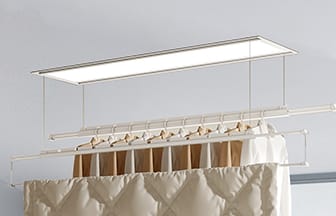
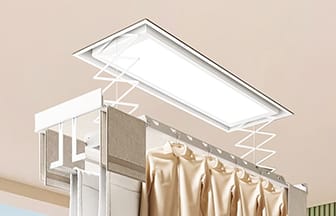
Train the team to explain the auto clothes rack through a normal laundry routine and the current instructions. Demonstrate its deployed or lowered state, garment arrangement and storage or parking position. Include the limitations that change a buyer's decision, such as mounting requirements, exposure restrictions or a separate surface for flat-dry garments.
A staff member should be able to show the auto clothes rack without inventing an answer about an undocumented feature. Give them a clear route for technical questions and a current configuration sheet. Consistent demonstrations improve the quality of enquiries and help customers compare designs using the same practical criteria.
Review the product after the room is furnished
Revisit the auto clothes rack layout after cupboards, appliances and everyday storage are in their final positions. A product approved in an empty room can lose clearance as the project develops. Repeat the operating or folding sequence and check access to windows, doors and maintenance areas.
Keep the final auto clothes rack arrangement with the handover photographs. If furniture changes later, reassess the path before normal use continues. This is particularly useful for managed apartments and retail displays, where the person altering the room may not know the original installation assumptions. A visible room plan helps preserve the clearance that the product needs.
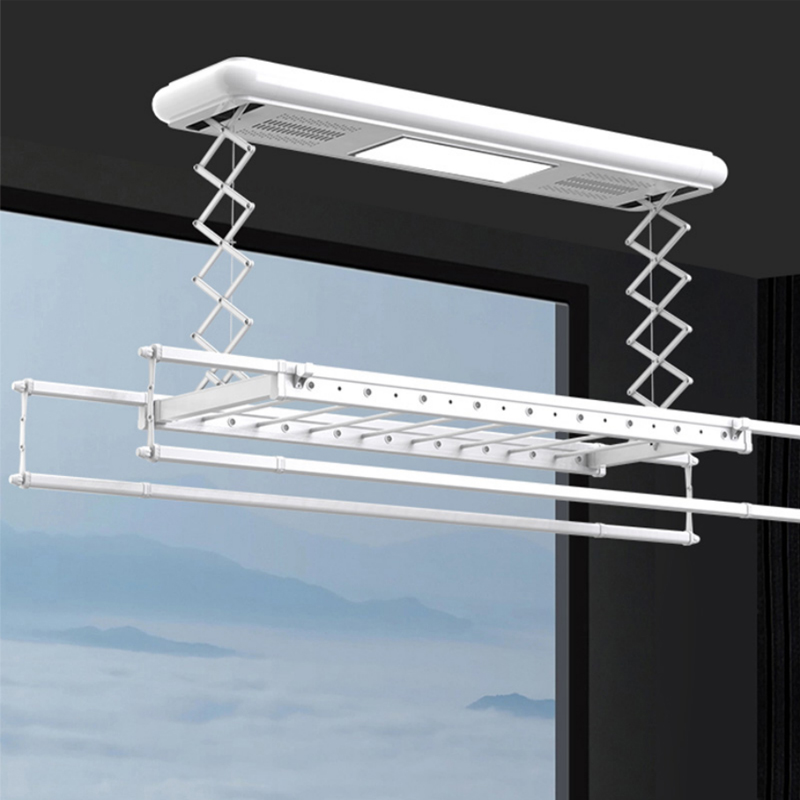
Separate local control from connected features
An auto clothes rack can offer several control paths, but the buyer should specify what each path actually does. A handheld transmitter, a wall control and a phone interface are different items in a quotation. Ask which functions work without a router, which need pairing and whether a replacement controller is available for the exact revision. Demonstrate a normal lift and stop command with the network unavailable before presenting offline operation as a selling point.
For an auto clothes rack, the practical acceptance record is a function matrix. Put lifting, lighting and any optional airflow function on separate lines, then identify the supported controller for each. A screenshot of an app does not establish compatibility with the supplied hardware. Keep optional connected features separate from the essential local controls so a change in a phone platform does not obscure the basic product specification.
Document pairing and controller replacement
An auto clothes rack needs a recoverable setup process. Ask for the exact pairing sequence, the indication of successful pairing and the method for removing an old controller. Confirm whether the procedure belongs to the current receiver revision. Dealers should be able to identify a compatible replacement from the model label rather than relying on the appearance of a remote.
Keep the instructions for an auto clothes rack with its order record and customer handover material. During sample evaluation, have a second staff member follow the written steps without coaching from the demonstrator. If the process depends on undocumented timing or an unlabeled button, request clearer instructions before launch. This small exercise can reveal support problems that a polished product demonstration conceals.
Ask for care instructions that match the finish
The cleaning routine for the auto clothes rack should match its coating, plastics and mechanism. Request the current care sheet and identify products or methods the supplier excludes. Avoid assuming that a cleaner suitable for a plain steel rail is also suitable for a painted casing or a controller.
For the auto clothes rack, demonstrate wiping and drying accessible surfaces according to the manual and explain which areas users should leave to service staff. Keep moisture away from components that require protection. Clear care guidance preserves appearance and makes a later service assessment easier because damage from an unsuitable cleaning method can otherwise resemble a product defect.
Close the evaluation with a decision record
Approve the auto clothes rack only after the team has resolved the questions that affect its use: fit, loading, operation, documentation, supplied parts and support. Summarize the selected configuration, accepted limitations and remaining commercial conditions in a short decision record. Attach the photographs and drawings used in the evaluation.
The record for the auto clothes rack should explain the practical reason for choosing it. It may be the loading height, a suitable base, a manageable manual mechanism or a clear service route. Keeping that reason visible helps future orders stay consistent and prevents an apparently similar substitute from being accepted without checking the conditions that mattered originally.
Decision checklist and comparison
Use the following comparison for the auto clothes rack evaluation. The alternatives describe evidence quality, not a claim that one brand always performs better. Resolve missing information before accepting an equivalent product or releasing the batch.
| Approach | When it may fit | Confirm before choosing |
|---|---|---|
| Dealer-held compatible spares | An installed base needs a predictable local service route | Part numbers, revision coverage and permitted replacement work |
| Supplier parts on demand | A channel can accommodate the agreed sourcing interval | Availability terms, diagnosis information and freight responsibility |
| Assembly replacement | The supplier specifies replacement at assembly level | Approval procedure, installation work and written warranty scope |
Product configuration to discuss
For a relevant starting point, review YIHUI Automatic Clothes Hanger 829 with YIHUI. Treat the listed product as a candidate for the auto clothes rack brief and confirm the current drawing, included controls, finish and installation or assembly requirements. Product-family photographs do not establish that every option is supplied together.
Compare the relevant YIHUI product category and ask about configuration and supply services. Keep requested features separate from those already confirmed for the selected model.
Independent reading
For independent background, read Wikipedia overview of drying-rack designs. Use this background to understand the names used for different rack arrangements. Confirm specifications from the supplier rather than treating a general overview as a model test.
Request a configuration review
Send YIHUI your auto clothes rack brief with the intended market, room or storage dimensions, routine laundry type and planned order quantity. Include parts mapped to supplied revisions as a specific review item. Ask for a configuration proposal and sample plan before committing to a bulk order. Use the enquiry form below or the contact page to start the discussion.
Frequently asked questions
What should I check first for an auto clothes rack?
Begin with parts mapped to supplied revisions. Match it to the actual room or sales brief, then confirm the current configuration and instructions. A sample should demonstrate the feature that determines your purchase decision.
Which documents should accompany an auto clothes rack quote?
Request a current drawing, feature list, packing list and installation or assembly instructions. For this brief, also document permitted field replacement identified. Ask the supplier to identify options and any unresolved differences.
How should I evaluate an auto clothes rack sample?
Use the intended garments, hangers and room or display conditions. Record the setup and observations so another person can repeat the review. Include availability terms confirmed in the acceptance record.
Can a similar-looking auto clothes rack be substituted?
Review the supplied revision, dimensions, components and instructions before approving a substitute. Similar appearance does not establish compatible controls, an equivalent mechanism or the same permitted loading conditions.
What information helps YIHUI review my auto clothes rack enquiry?
Supply the destination market, quantity, intended use, useful dimensions and required functions. State that the main topic is spare parts for dealer support and include photographs or a sketch where these clarify the practical constraint.