Table of Contents
A smart clothes hanger purchase should begin with the actual laundry routine and room constraints. For a showroom introducing phone control, build a demonstration that begins with the ordinary handheld controller. This guide helps buyers, distributors and project teams evaluate the smart clothes hanger through room fit, a representative sample and written acceptance criteria. Use the current configuration and instructions for any final product decision.
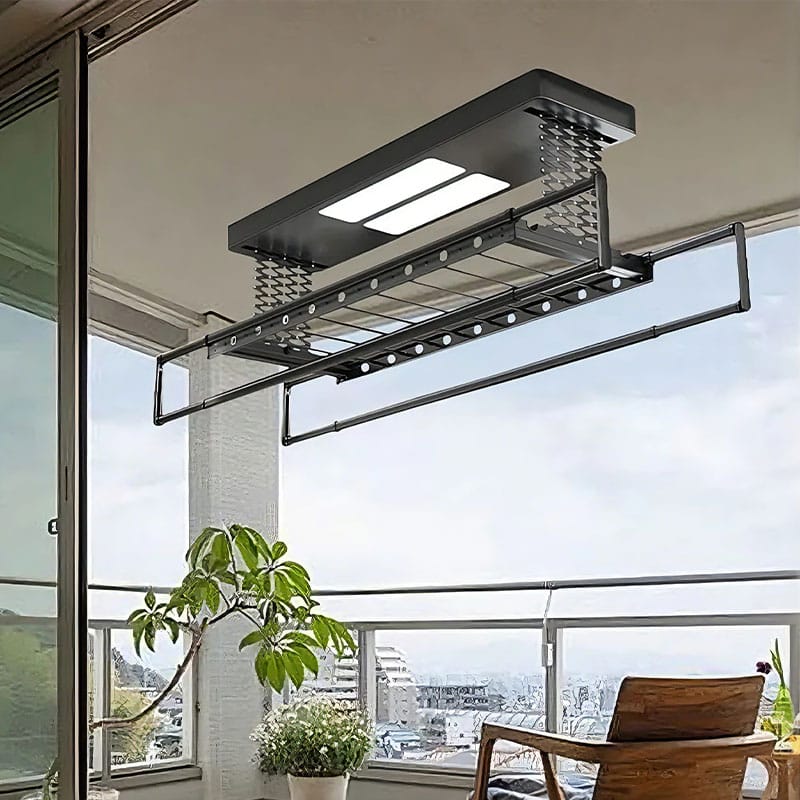
App and Local Control Planning in practice
For a showroom introducing phone control, build a demonstration that begins with the ordinary handheld controller. Add the phone only after the basic routine is clear. Confirm the supported app, connection method, account requirements and local operation with the supplier. Do not infer any cloud, voice-assistant or third-party integration from the word smart. The customer should leave knowing which features belong to the supplied configuration and which depend on a separate service or network.
The decision for this smart clothes hanger should be recorded against three specific points: supported interface and account requirements; local lifting when connectivity changes; consistent names in app and manual. Keep the observation, the document reference and the person responsible for resolving any exception together. This turns a broad product enquiry into a review that another buyer or installer can follow.
Smart Clothes Hanger: separate local control from connected features
A smart clothes hanger can offer several control paths, but the buyer should specify what each path actually does. A handheld transmitter, a wall control and a phone interface are different items in a quotation. Ask which functions work without a router, which need pairing and whether a replacement controller is available for the exact revision. Demonstrate a normal lift and stop command with the network unavailable before presenting offline operation as a selling point.
For a smart clothes hanger, the practical acceptance record is a function matrix. Put lifting, lighting and any optional airflow function on separate lines, then identify the supported controller for each. A screenshot of an app does not establish compatibility with the supplied hardware. Keep optional connected features separate from the essential local controls so a change in a phone platform does not obscure the basic product specification.
Make the control labels match the supplied functions
The controls on a smart clothes hanger should describe only functions present in that configuration. A generic remote may include symbols for features that have not been ordered. Ask the supplier to identify inactive buttons and explain their behavior. Translate the instructions for the destination market and use consistent names across the carton, manual and product listing.
Evaluate a smart clothes hanger with the intended user holding a laundry basket and then with both hands free. Can they distinguish lift, lower and stop? Does an indicator mean a function is enabled or merely that a button was pressed? Record these questions as part of acceptance. Clear controls reduce avoidable calls and help distributors describe the product accurately without promising capabilities from a different model.
Leave space for air between garments
Useful capacity on a smart clothes hanger is affected by the way garments are arranged. Layers pressed together create damp contact areas and make checking completion difficult. Spread items so air can reach both sides, and separate thick folded sections from adjacent laundry where the fabric-care instructions allow it.
During the smart clothes hanger sample trial, record the number and type of garments that fit with usable spacing. This gives a retailer a more helpful demonstration than filling every possible hanger position. If drying performance is disappointing, review spacing and room conditions before concluding that a longer rail or more hangers will solve the problem.
Keep marketing claims within the available evidence
Describe the smart clothes hanger with confirmed features and clear limitations. Avoid universal claims about drying time, energy savings, health effects or suitability for all users. If a performance figure is important, request the test method, conditions and model coverage before putting it into a public listing.
A smart clothes hanger can be marketed effectively through useful dimensions, a clear demonstration and an honest explanation of the routine it supports. Those details help buyers decide whether it fits their room and garments. Ask the supplier to clarify inconsistent catalogue information rather than copying it into another article where the uncertainty becomes harder to trace.

Use the sample to define production acceptance
Inspect a smart clothes hanger sample in the condition in which customers will receive it. Check the carton identification, hardware count, finish, rail movement and controller functions. Record the sample serial or batch identifier and photograph any accepted cosmetic variation. Ask the supplier to explain how production units will be checked against that sample.
A smart clothes hanger sample inspection should distinguish critical functional concerns from cosmetic preferences. Agree the inspection method and sampling arrangement before a bulk order. Do not extrapolate a short sample demonstration into a lifetime claim. Keep dated results, the observed load and the test procedure so an independent inspector can repeat the checks on the production batch.
Turn a quotation into a controlled configuration
Order a smart clothes hanger against a configuration sheet with a model code, drawing revision and approved component list. Separate standard equipment from options such as lighting, airflow, a particular controller or a finish. Ask the supplier to mark substitutions explicitly. Similar product names are insufficient when receivers, mounting hardware or rail dimensions can vary.
For a smart clothes hanger, attach the approved sample photographs and label details to the purchase record. State which changes require written approval before production. A commercial quote should identify packaging, included accessories and the version of the installation manual. This makes later inspection a comparison with an agreed product rather than a debate about what a marketing photograph appeared to include.
Use a pilot order to test the sales process
A pilot batch of the smart clothes hanger can test more than the mechanism. Follow the order from quotation through receipt, installation or assembly, customer handover and support. Record which questions recur and whether staff can locate the correct documents and parts. Set the pilot scope and review period before it starts.
For the smart clothes hanger, distinguish observations from assumptions about a larger rollout. A small pilot does not establish a lifetime failure rate. It can reveal unclear instructions, unsuitable carton sizes, missing accessories or a mismatch with the intended room. Resolve those findings and update the approved configuration before repeating the purchase.
Review the product after the room is furnished
Revisit the smart clothes hanger layout after cupboards, appliances and everyday storage are in their final positions. A product approved in an empty room can lose clearance as the project develops. Repeat the operating or folding sequence and check access to windows, doors and maintenance areas.
Keep the final smart clothes hanger arrangement with the handover photographs. If furniture changes later, reassess the path before normal use continues. This is particularly useful for managed apartments and retail displays, where the person altering the room may not know the original installation assumptions. A visible room plan helps preserve the clearance that the product needs.
Decision checklist and comparison
Use the following comparison for the smart clothes hanger evaluation. The alternatives describe evidence quality, not a claim that one brand always performs better. Resolve missing information before accepting an equivalent product or releasing the batch.
| Approach | When it may fit | Confirm before choosing |
|---|---|---|
| Handheld local control | Routine operation within view of the rack | Compatible receiver, supported functions and pairing instructions |
| Wall control | A consistent operating location near the loading area | Installation requirements and the supplied control version |
| Phone interface, if offered | A buyer who needs the confirmed connected functions | Supported app, account requirements and offline behavior |
Product configuration to discuss
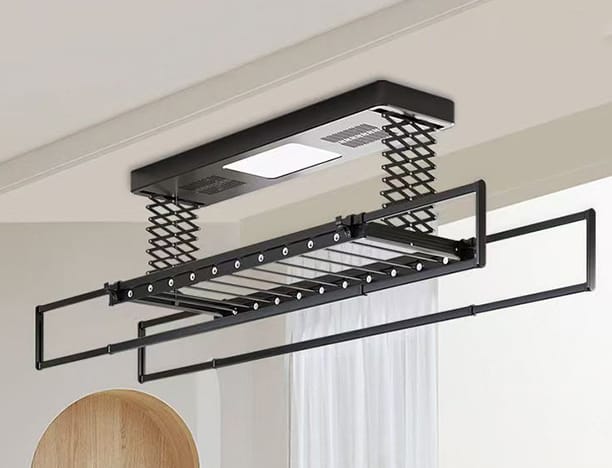
For a relevant starting point, review YIHUI Automatic Clothes Rack 866 with YIHUI. Treat the listed product as a candidate for the smart clothes hanger brief and confirm the current drawing, included controls, finish and installation or assembly requirements. Product-family photographs do not establish that every option is supplied together.
Compare the relevant YIHUI product category and ask about configuration and supply services. Keep requested features separate from those already confirmed for the selected model.
Independent reading
For independent background, read Wikipedia overview of drying-rack designs. Use this background to understand the names used for different rack arrangements. Confirm specifications from the supplier rather than treating a general overview as a model test.
Request a configuration review
Send YIHUI your smart clothes hanger brief with the intended market, room or storage dimensions, routine laundry type and planned order quantity. Include supported interface and account requirements as a specific review item. Ask for a configuration proposal and sample plan before committing to a bulk order. Use the enquiry form below or the contact page to start the discussion.
Frequently asked questions
What should I check first for a smart clothes hanger?
Begin with supported interface and account requirements. Match it to the actual room or sales brief, then confirm the current configuration and instructions. A sample should demonstrate the feature that determines your purchase decision.
Which documents should accompany a smart clothes hanger quote?
Request a current drawing, feature list, packing list and installation or assembly instructions. For this brief, also document local lifting when connectivity changes. Ask the supplier to identify options and any unresolved differences.
How should I evaluate a smart clothes hanger sample?
Use the intended garments, hangers and room or display conditions. Record the setup and observations so another person can repeat the review. Include consistent names in app and manual in the acceptance record.
Can a similar-looking smart clothes hanger be substituted?
Review the supplied revision, dimensions, components and instructions before approving a substitute. Similar appearance does not establish compatible controls, an equivalent mechanism or the same permitted loading conditions.
What information helps YIHUI review my smart clothes hanger enquiry?
Supply the destination market, quantity, intended use, useful dimensions and required functions. State that the main topic is app and local control planning and include photographs or a sketch where these clarify the practical constraint.