Table of Contents
An electric laundry drying rack purchase should begin with the actual laundry routine and room constraints. A distributor can run a useful comparison by preparing matching laundry loads and recording the wash-spin setting, fabric mix, starting weight and room conditions. This guide helps buyers, distributors and project teams evaluate the electric laundry drying rack through room fit, a representative sample and written acceptance criteria. Use the current configuration and instructions for any final product decision.
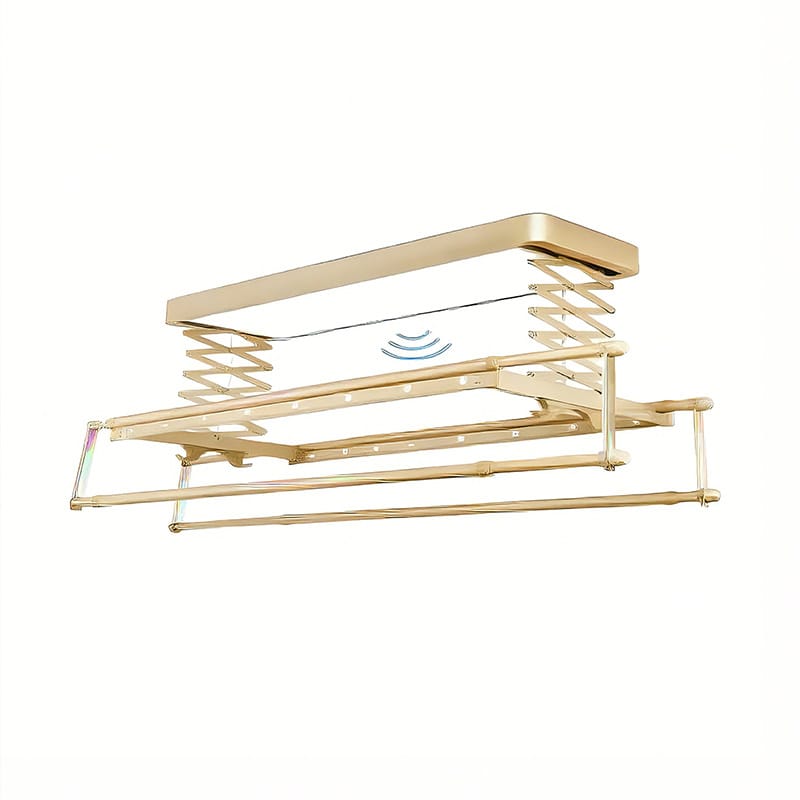
A Repeatable Indoor Drying Trial in practice
A distributor can run a useful comparison by preparing matching laundry loads and recording the wash-spin setting, fabric mix, starting weight and room conditions. Arrange garments consistently and define how completion is checked. If a fan or heater is optional, state whether it was fitted and enabled. Report the observed result with its conditions. This gives sales staff a credible demonstration without turning one favourable trial into a universal drying-time promise.
The decision for this electric laundry drying rack should be recorded against three specific points: equivalent starting moisture and fabric mix; recorded room conditions; consistent completion method. Keep the observation, the document reference and the person responsible for resolving any exception together. This turns a broad product enquiry into a review that another buyer or installer can follow.
Electric Laundry Drying Rack: record room conditions during a drying trial
A drying trial for an electric laundry drying rack needs a simple log. Record room temperature and humidity, the garment mix, how the laundry was spun, the spacing on the rails and any fitted drying function used. Check all samples by the same completion method. Results from a warm ventilated room cannot be directly compared with those from a closed damp balcony.
For an electric laundry drying rack, repeat the trial under conditions representative of customer use. Include an ordinary mixed load rather than only thin demonstration fabric. Keep the findings as observations of that setup, with the date and configuration. If the business later uses a drying-time claim, its wording should remain within what the recorded trial can support.
Distinguish lifting from active drying
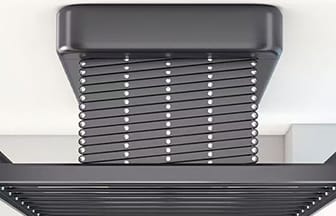
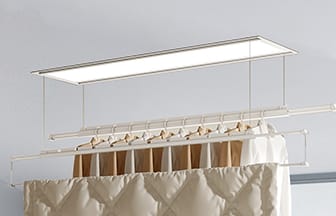
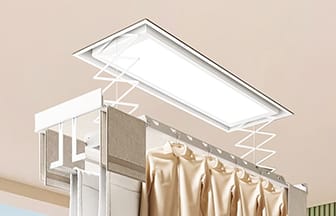
An electric laundry drying rack may use power to move its rails while laundry still dries mainly through room air. Lighting, a fan and heating are separate functions, each with its own power and operating conditions. Ask for a function list and the rating of each fitted component. Do not assume a motorized rack behaves like a tumble dryer.
Evaluate the electric laundry drying rack against the outcome you need: easier loading, free floor space, supplementary airflow or a measured drying routine. If faster drying is the main purchasing reason, compare samples with equivalent garments and starting moisture under recorded room conditions. An unqualified speed claim cannot show whether the improvement came from the rack, the washing machine spin or a change in ventilation.
Distinguish indoor shelter from outdoor exposure
Specify the environment for the electric laundry drying rack: enclosed utility room, covered balcony or open exterior. These conditions differ in rain, wind, sunlight and temperature. Ask the supplier which are supported and what evidence or instructions define the limit. An installation photograph under a roof does not establish all-weather suitability.
For the electric laundry drying rack, record any exposure restrictions in the product listing and installer brief. If wind can move garments or rain can reach electrical parts, reassess the location with the supplier and installer. Do not borrow an outdoor claim from a superficially similar model. Matching the product to the intended environment is part of selection, not an afterthought after installation.
Read material descriptions component by component
A material label for the electric laundry drying rack may describe only the main rail or casing. Ask for the materials of fasteners, supports, arms and moving components relevant to your use. Different parts can have different coatings and exposure limitations. Do not translate a broad phrase such as premium metal into a specific alloy or test result.
For the electric laundry drying rack, connect material information to the practical concern: weight, stiffness, surface durability, cleaning or corrosion exposure. Request evidence where a claim matters to your market. A clear component description helps buyers compare two offers with similar appearances and prevents a distributor from promising properties the supplier has not documented.
Compare offers on the same delivered scope
Compare an electric laundry drying rack quotation line by line. A low unit price may exclude mounting parts, a controller, branded packaging or a destination-specific electrical version. Ask for the packing list and identify who supplies each item needed for installation. Keep freight assumptions and order quantities consistent when comparing offers.
The landed purchase cost of an electric laundry drying rack is only part of its commercial result. Add the costs your business actually bears for installation, demonstration samples, spare parts, returns and customer support. Use your own rates and quantities rather than an invented industry average. The purpose is to expose different scopes, not to turn an uncertain estimate into a precise promise of savings.
Keep market documents tied to the exact version
Documentation for an electric laundry drying rack must identify the product version it covers. Request relevant electrical, material and packaging documents for the destination market and check that the model identifiers match. A logo or a photograph of a report is not enough to establish the scope of the underlying evaluation. Route market-access questions through a qualified local specialist.
When sourcing an electric laundry drying rack, keep a register of document names, dates, model coverage and the person who reviewed them. If a motor, power supply or radio module changes, ask which evaluations need review. This article offers a purchasing process rather than a declaration that any particular unit is approved for every market. Claims in sales material should follow the actual supplied evidence.
Evaluate the complete laundry workflow
Test the electric laundry drying rack from the moment a washed load leaves the machine to the point at which dry garments are collected and stored. Include carrying the basket, sorting fabrics, arranging hangers and clearing the space. A short demonstration of the empty mechanism covers only a small part of this routine.
Have the intended user or a representative staff member trial the electric laundry drying rack without staged assistance. Record awkward reaches, blocked doors and extra handling. Small layout changes can matter more than adding another optional function. Use the observations to choose between configurations and to write instructions that reflect how the product will actually be used.
Review the product after the room is furnished
Revisit the electric laundry drying rack layout after cupboards, appliances and everyday storage are in their final positions. A product approved in an empty room can lose clearance as the project develops. Repeat the operating or folding sequence and check access to windows, doors and maintenance areas.
Keep the final electric laundry drying rack arrangement with the handover photographs. If furniture changes later, reassess the path before normal use continues. This is particularly useful for managed apartments and retail displays, where the person altering the room may not know the original installation assumptions. A visible room plan helps preserve the clearance that the product needs.
Decision checklist and comparison
Use the following comparison for the electric laundry drying rack evaluation. The alternatives describe evidence quality, not a claim that one brand always performs better. Resolve missing information before accepting an equivalent product or releasing the batch.
| Approach | When it may fit | Confirm before choosing |
|---|---|---|
| Lift-only configuration | Easier loading and overhead use are the main goals | Lift rating and room fit; drying still depends on the environment |
| Airflow option, if supplied | Supplementary air movement is part of the brief | Fitted fan, operating states and comparable sample observations |
| Heating option, if supplied | The buyer has a defined active-drying requirement | Confirmed heating function, garment suitability and measured energy |
Product configuration to discuss
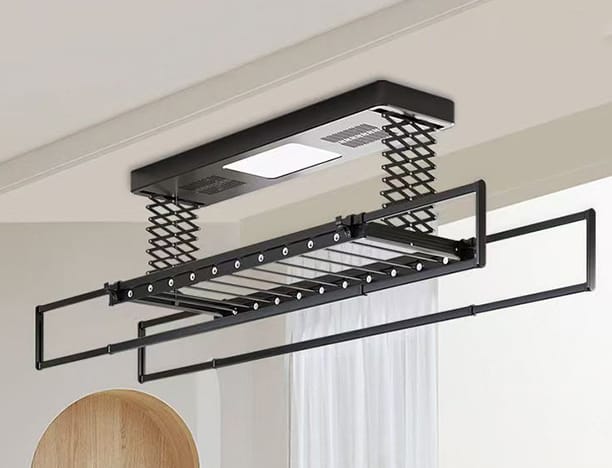
For a relevant starting point, review YIHUI Electric Ceiling Drying Rack 8828 with YIHUI. Treat the listed product as a candidate for the electric laundry drying rack brief and confirm the current drawing, included controls, finish and installation or assembly requirements. Product-family photographs do not establish that every option is supplied together.
Compare the relevant YIHUI product category and ask about configuration and supply services. Keep requested features separate from those already confirmed for the selected model.
Independent reading
For independent background, read EPA guidance on moisture control. Use this background when reviewing the room environment. It does not certify a particular rack or replace a project-specific ventilation assessment.
Request a configuration review
Send YIHUI your electric laundry drying rack brief with the intended market, room or storage dimensions, routine laundry type and planned order quantity. Include equivalent starting moisture and fabric mix as a specific review item. Ask for a configuration proposal and sample plan before committing to a bulk order. Use the enquiry form below or the contact page to start the discussion.
Frequently asked questions
What should I check first for an electric laundry drying rack?
Begin with equivalent starting moisture and fabric mix. Match it to the actual room or sales brief, then confirm the current configuration and instructions. A sample should demonstrate the feature that determines your purchase decision.
Which documents should accompany an electric laundry drying rack quote?
Request a current drawing, feature list, packing list and installation or assembly instructions. For this brief, also document recorded room conditions. Ask the supplier to identify options and any unresolved differences.
How should I evaluate an electric laundry drying rack sample?
Use the intended garments, hangers and room or display conditions. Record the setup and observations so another person can repeat the review. Include consistent completion method in the acceptance record.
Can a similar-looking electric laundry drying rack be substituted?
Review the supplied revision, dimensions, components and instructions before approving a substitute. Similar appearance does not establish compatible controls, an equivalent mechanism or the same permitted loading conditions.
What information helps YIHUI review my electric laundry drying rack enquiry?
Supply the destination market, quantity, intended use, useful dimensions and required functions. State that the main topic is a repeatable indoor drying trial and include photographs or a sketch where these clarify the practical constraint.